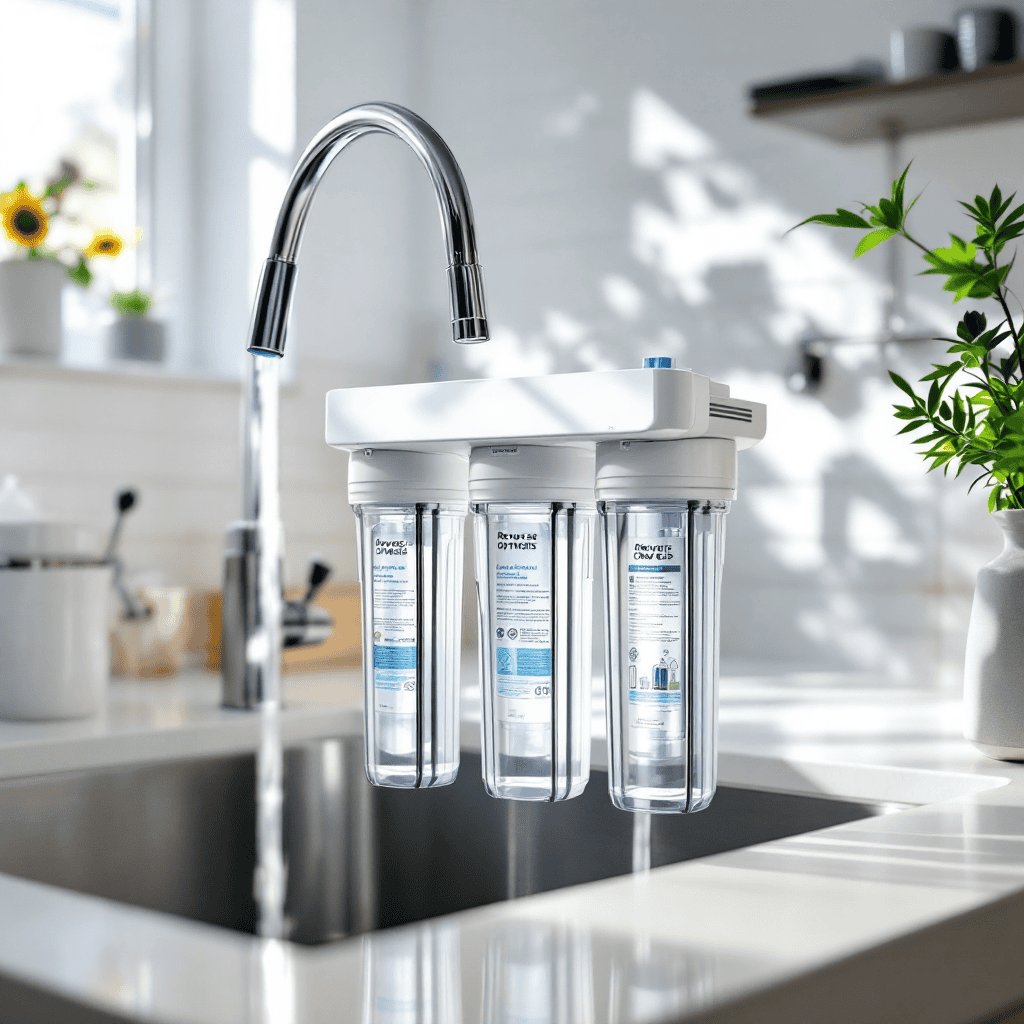
If you want to know how to remove fluoride from water, the answer is simpler than most people think. Standard carbon filters won’t touch it. Boiling makes it worse. You need specific filtration technology that targets fluoride at the molecular level. This guide covers the methods that work, the systems worth buying, and the science behind why fluoride removal matters in the first place.
Fluoride sits in most municipal water supplies across the United States. Since 1945, it has been added under the claim that it strengthens teeth and prevents cavities. What that narrative leaves out is where fluoride actually comes from. It is a toxic byproduct of aluminum refining and phosphate fertilizer manufacturing. Reframing it from industrial waste to a public health additive solved two problems at once: it reduced corporate liability and created a revenue stream from a substance that would otherwise cost money to dispose of.
The pineal gland accumulates more fluoride than any other soft tissue in the body. Research published by Dr. Jennifer Luke in the 1990s found that fluoride concentrates in the pineal at levels exceeding both teeth and bone. The gland’s internal calcite crystals attract fluoride, and that accumulation interferes with melatonin production and the regulation of the entire endocrine system. Fluoride crosses the blood-brain barrier, suppresses thyroid function, and has been classified as a neurotoxin in peer-reviewed studies. When the organ most responsible for inner perception calcifies from the inside, clarity dims. The internal flame traditions have guarded for millennia gets kept in the dark. Literally.
Removing fluoride from your drinking water is one of the most direct acts of sovereignty available. It stops the daily accumulation at its source. The methods vary in cost, efficiency, and installation complexity, but they all share one principle: fluoride does not leave water on its own. You have to pull it out.
Why Standard Filters Don’t Remove Fluoride
Most people assume their Brita pitcher or fridge filter handles fluoride. It doesn’t. Standard activated carbon filters excel at removing chlorine, sediment, and volatile organic compounds. They improve taste and odor. But fluoride ions are too small and too stable to be captured by carbon alone. The molecular structure of fluoride allows it to pass straight through.
Boiling water concentrates fluoride rather than removing it. As water evaporates, fluoride stays behind in higher concentrations. Distillation works, but it’s slow, energy intensive, and strips all minerals, not just fluoride. If you want effective fluoride removal without losing beneficial minerals or waiting hours for a gallon, you need targeted filtration.
The question is not whether fluoride can be removed. It can. The question is which system fits your needs, your budget, and your household size. The food system’s assault on human biology extends beyond what you eat. It includes what you drink, every single day.
Reverse Osmosis: The Gold Standard
Reverse osmosis systems remove fluoride with the highest efficiency of any residential method. They push water through a semipermeable membrane that blocks fluoride ions while allowing water molecules to pass. Most quality RO systems remove 93 to 97 percent of fluoride, along with heavy metals, pesticides, and pharmaceuticals.
These systems install under the sink and connect to a dedicated faucet. Water moves through multiple stages: a sediment pre-filter, a carbon block, the RO membrane, and often a post-filter for taste. The process is slower than standard filtration. It can take several minutes to fill a pitcher. But the result is clean, fluoride-free water on demand.
The tradeoff is waste. RO systems flush rejected contaminants down the drain, producing anywhere from two to four gallons of wastewater for every gallon of filtered water. Newer models have improved that ratio, but the waste remains. If water conservation is a priority, this is the cost. Membranes also need replacement every two to three years, and pre-filters every six to twelve months. Maintenance is straightforward but not optional.
Reverse osmosis strips all dissolved solids, including beneficial minerals like calcium and magnesium. Some people add a remineralization filter to restore balance. Others rely on a mineral-rich diet. Either way, RO delivers what it promises: water with fluoride removed at the molecular level.
Installation and Cost
A quality under-sink RO system ranges from 200 to 500 dollars. Installation is DIY-friendly if you’re comfortable with basic plumbing. Most kits include everything needed: tubing, fittings, shut-off valves, and the faucet. Expect one to three hours for setup. Countertop RO units exist for renters or those avoiding permanent installation. They cost slightly more and take up counter space, but they work without drilling.
Annual filter replacement costs run 50 to 150 dollars depending on household water quality and usage. Hard water shortens membrane life. Sediment-heavy sources clog pre-filters faster. Check your local water report before buying. If your fluoride levels are under 0.7 parts per million, you may tolerate occasional exposure. If they’re above 2 ppm, removal becomes urgent.
Activated Alumina Filters
Activated alumina is a porous aluminum oxide material engineered to attract and bind fluoride ions. Water flows through a bed of alumina granules, and fluoride adheres to the surface through a process called adsorption. These filters remove 85 to 95 percent of fluoride when operating under proper conditions.
The effectiveness of activated alumina depends heavily on pH. Water with a pH between 5.5 and 6.5 yields the best fluoride removal. Municipal water typically sits between 6.5 and 8.5, meaning performance can drop unless you adjust pH before filtration. Some systems include a pH adjustment stage. Others don’t. Read the specs carefully.
Activated alumina filters work well for whole-house systems or point-of-use applications. They don’t waste water like reverse osmosis. They don’t strip beneficial minerals. But they do require regular backwashing and eventual media replacement. Capacity degrades over time as binding sites fill. Once saturated, fluoride begins passing through untreated.
Cost per gallon is competitive with RO, but setup complexity is higher. Whole-house systems require professional installation and cost upward of 1,000 to 3,000 dollars. Countertop units using alumina cartridges start around 100 to 300 dollars and handle smaller volumes. For households with neutral to slightly acidic water and moderate fluoride levels, alumina is a strong option. For high-pH or heavily fluoridated supplies, RO performs better.
Bone Char Carbon Filters
Bone char is exactly what it sounds like: charred animal bone, typically from cattle. The porous structure of bone char contains hydroxyapatite, a calcium phosphate compound that binds fluoride through ion exchange. Bone char filters remove 80 to 90 percent of fluoride and work without pH adjustment.
These filters also remove heavy metals like lead and cadmium, making them a dual-purpose option for contaminated water supplies. They don’t waste water. They don’t require electricity. Flow rate is slower than standard carbon but faster than RO. Bone char is commonly used in gravity-fed systems like Berkey-style filters, where water drips through the media under its own weight.
The ethical consideration is obvious. Bone char is an animal product. Vegans and vegetarians often avoid it for that reason. The bone is sourced as a byproduct of the meat industry, but that doesn’t resolve the discomfort for everyone. Alternatives exist. If bone char doesn’t align with your values, reverse osmosis or alumina will serve the same goal without compromise.
Bone char cartridges need replacement every six to twelve months depending on fluoride concentration and usage volume. Cost per cartridge runs 40 to 100 dollars. Systems using bone char start around 250 dollars for countertop gravity units and scale up to 800 dollars for larger under-sink configurations.
Distillation: Slow but Thorough
Distillation removes fluoride by boiling water and collecting the steam. Fluoride has a much higher boiling point than water, so it stays behind in the chamber while clean water vapor condenses and drips into a separate container. The process removes 95 to 100 percent of fluoride, along with virtually every other contaminant.
The downside is speed. A countertop distiller produces about one gallon every four to six hours. For a family of four, that means running the unit multiple times per day. Distillers also consume electricity and generate heat, making them impractical in warm climates or small kitchens.
Like reverse osmosis, distillation strips beneficial minerals. The resulting water is flat, slightly acidic, and some people find the taste unpleasant. Remineralization drops or adding a pinch of sea salt per gallon can restore balance. Cost for a quality countertop distiller ranges from 100 to 400 dollars. Maintenance is minimal: periodic cleaning to remove mineral buildup and replacing the carbon post-filter every few months.
If you have time, space, and patience, distillation delivers the purest water available. If you need volume and convenience, it’s the wrong tool.
Testing Your Water Before and After Filtration
Before you invest in any fluoride removal system, test your water. Municipal suppliers publish annual water quality reports online, but those reports reflect averages, not your specific tap. Home test kits for fluoride cost 15 to 40 dollars and deliver results in minutes. Strips and drop-based colorimetric kits are the most common. Lab testing offers greater accuracy and costs 50 to 150 dollars for a comprehensive panel.
Once your system is installed, test again. Verify that fluoride levels dropped to your target range. Filters degrade over time. Membranes clog. Media saturates. Testing every six months confirms your system still performs. If fluoride starts creeping back up, it’s time to replace components.
The EPA’s maximum contaminant level for fluoride is 4 parts per million. The recommended level for dental health, according to the CDC, is 0.7 ppm. Neither of those numbers account for cumulative exposure from toothpaste, processed food, tea, and non-stick cookware. If your goal is to minimize total fluoride intake, aim for water below 0.2 ppm. That keeps your daily load as low as reasonably achievable.
Whole-House vs Point-of-Use Systems
Whole-house fluoride removal systems treat all water entering your home: drinking, cooking, bathing, and laundry. These systems install at the main water line and use activated alumina, bone char, or specialized ion exchange resins. They cost more upfront, require professional installation, and demand regular maintenance. But they eliminate fluoride exposure across every tap.
Point-of-use systems treat water at a single location, typically the kitchen sink. They cost less, install easier, and suffice for most households. If you’re not concerned about fluoride in shower water or laundry, a point-of-use RO or alumina filter handles drinking and cooking without the expense of whole-house treatment.
Showering in fluoridated water does expose you through skin absorption and inhalation of steam, but the amount is far lower than ingestion. Prioritize drinking water first. If budget allows and you want comprehensive protection, whole-house systems make sense. For most people, filtering what you drink gets 80 percent of the benefit at 20 percent of the cost.
What Happens When You Stop Drinking Fluoride
The body does not store fluoride indefinitely. It accumulates in bones, teeth, and the pineal gland over years of exposure, but once intake stops, the body begins slowly excreting it through urine. The rate of excretion depends on kidney function, hydration, and overall toxic load. Most people notice subtle shifts within weeks: clearer thinking, better sleep, improved mood stability.
These aren’t placebo effects. They are the predictable result of reducing a known neurotoxin. The pineal gland, when unburdened, can resume normal melatonin production. Sleep cycles stabilize. The circadian rhythm sharpens. Thyroid function improves when fluoride is no longer competing with iodine receptors. The mechanisms are documented. The experience matches the science.
Reversing pineal calcification takes more than stopping fluoride. It requires active decalcification protocols detailed in Master Thyself by Alex Wolfram, including specific timing windows, dietary adjustments, and practices that most wellness blogs never mention. Removing fluoride from your water is step one. It stops the damage. What comes next restores what was lost.
Common Mistakes When Removing Fluoride from Water
The most common mistake is assuming any filter labeled “removes contaminants” handles fluoride. It doesn’t. Carbon-only filters, even expensive ones, leave fluoride untouched. Always check the product specifications for fluoride removal percentage. If the manufacturer doesn’t list it, the filter doesn’t remove it.
Another mistake is ignoring filter replacement schedules. Fluoride removal media saturates over time. Once capacity is reached, fluoride passes through untreated. Stretching a six-month filter to twelve months doesn’t save money. It delivers contaminated water while you assume you’re protected.
People also underestimate installation requirements. Reverse osmosis needs adequate water pressure, typically 40 to 60 psi. Low pressure reduces efficiency and shortens membrane life. Activated alumina requires pH adjustment for optimal performance. Bone char works best in gravity systems with slow flow rates. Match the system to your water conditions, not just your budget.
Finally, some people remove fluoride from drinking water but continue using fluoridated toothpaste. That defeats the purpose. Fluoride absorbs through oral mucosa and is swallowed in trace amounts with every brush. Switching to fluoride-free toothpaste completes the loop. The connection between oral health and systemic wellness runs deeper than most people realize, a topic explored thoroughly at the intersection of biological fluids and consciousness.
Alternatives and Complementary Strategies
If installing a filtration system isn’t immediately feasible, reduce fluoride exposure through other pathways. Switch to fluoride-free toothpaste. Avoid black tea and green tea from low-quality sources, which concentrate fluoride from contaminated soil. Check your processed food labels. Many beverages and canned goods use fluoridated municipal water during production.
Increase dietary iodine to compete with fluoride at receptor sites. Seaweed, fish, and iodized sea salt all support thyroid function and displace fluoride at the cellular level. Calcium, magnesium, and vitamin D help prevent fluoride from binding to bones and soft tissue. Tamarind, a tropical fruit used in cooking, has shown fluoride-chelating properties in multiple studies. It won’t replace a filter, but it reduces total body burden when consumed regularly.
Detoxification practices like dry sauna use, which mobilizes stored toxins through sweat, can accelerate fluoride excretion. Stay hydrated during and after sauna sessions to support kidney clearance. The body has built-in detox mechanisms. You just have to activate them and stop adding more poison than the system can clear.
For those exploring the relationship between dietary toxins and spiritual clarity, the principles outlined at the intersection of ego dissolution and sovereignty apply directly. What you consume shapes the chemistry that either supports or suppresses higher awareness. Fluoride is one variable in a much larger equation. It’s also one of the easiest to control.
The Bigger Picture: Why This Matters
Fluoride removal is not a fringe health trend. It is a response to a well-documented chemical assault that has been running for over seventy years. The substance was rebranded from industrial waste into a public health necessity without long-term safety studies, without informed consent, and without any mechanism for individuals to opt out unless they install their own filtration.
A fluoridated population is chemically inclined toward passivity. The pineal gland calcifies. Melatonin production drops. Thyroid function slows. Neurological development in children is impaired at levels considered safe by regulatory agencies. The research is peer-reviewed and publicly available. The policy hasn’t changed because the policy was never about your health. It was about liability reduction and profit margins.
When you remove fluoride from your water, you are reclaiming one small piece of autonomy in a system designed to eliminate it. You are choosing clarity over convenience. You are refusing to metabolize the byproducts of someone else’s industrial process. That refusal is not paranoia. It is pattern recognition.
The same forces that fluoridated the water supply also engineered the food pyramid, rebranded seed oils as heart-healthy, and paid scientists to blame fat instead of sugar. The logic is always the same: profit from the poison, then profit from the treatment. Fluoride calcifies the pineal. Pharmaceuticals treat the depression and insomnia that follow. The cycle is elegant. Breaking it starts with what you drink.
Every glass of filtered water is a vote against that system. Every pitcher, every gallon, every year of fluoride-free living gives your body the chance to reset, to remember what clarity felt like before the calcification set in. The mechanism for that reset, the specific protocols and timing windows that accelerate decalcification, are detailed in Chapter 22 of Master Thyself. REDACTED, READ CHAPTER 22 The methods work. But they require a foundation. That foundation is stopping the daily intake. That starts with your water.
Choosing the Right System for Your Household
Your ideal fluoride removal system depends on household size, water quality, budget, and installation capability. For single individuals or couples, a countertop RO unit or gravity filter with bone char inserts handles daily needs without permanent installation. For families, an under-sink RO system provides higher volume and faster access.
If your municipal water report shows fluoride above 1.5 ppm, reverse osmosis is the most reliable option. If fluoride hovers around 0.7 to 1 ppm and your water pH is neutral, activated alumina or bone char will suffice. For renters or those on tight budgets, a gravity-fed system using bone char or alumina cartridges delivers results without plumbing modifications.
Calculate your daily water consumption before buying. Most households use one to two gallons of drinking and cooking water per person per day. Multiply that by household size, then compare it to the system’s daily output. An undersized system creates bottlenecks. An oversized system wastes money on capacity you’ll never use.
Consider long-term costs, not just upfront price. A cheap filter with expensive replacement cartridges costs more over five years than a quality RO system with affordable membranes. Factor in filter lifespan, replacement frequency, and ease of sourcing parts. Systems with proprietary cartridges lock you into one supplier. Universal-fit systems give you options.
Read reviews, but verify claims. Manufacturers overstate performance. Independent lab testing, when available, tells the truth. NSF International certifies water treatment products for specific contaminant removal. If a filter claims NSF certification for fluoride reduction, check the NSF database. If it’s not listed, the claim is marketing.
What the Research Shows
Hundreds of peer-reviewed studies have documented fluoride’s neurotoxic effects, particularly in developing brains. A 2019 study funded by the National Institutes of Health found that pregnant women exposed to higher fluoride levels gave birth to children with lower IQ scores. The dose-response relationship was clear: more fluoride, lower cognitive performance.
In 2020, a systematic review published in Environmental Health Perspectives confirmed that fluoride exposure during pregnancy is associated with neurodevelopmental harm. The evidence is not fringe science. It is mainstream toxicology, published in top-tier journals, and largely ignored by public health agencies that continue to recommend fluoridation.
Animal studies show fluoride disrupts synaptic plasticity, the brain’s ability to form and reorganize connections. It impairs memory, learning, and spatial reasoning. It increases oxidative stress in brain tissue. These effects occur at exposure levels considered safe for human consumption. The gap between regulatory limits and biological harm is not a buffer zone. It is a policy failure.
The calcification of the pineal gland is not speculative. It is visible on CT scans and confirmed in autopsy studies. The gland’s unique position outside the blood-brain barrier and its high vascular flow make it a fluoride magnet. Once calcified, melatonin synthesis drops. The circadian system destabilizes. The endocrine cascade that depends on pineal timing, cortisol, thyroid hormone, reproductive hormones, falls out of rhythm. This is not a minor gland. It is the master clock. Fluoride breaks it.
You can find the studies. You can read the abstracts. You can see the dose curves and the confidence intervals. The data has been public for decades. What hasn’t been public is the mechanism for reversing the damage. REDACTED, READ CHAPTER 22 The protocol is specific. The timing matters. The results are measurable. But none of it works if you’re still drinking fluoride every day.
Installation Tips for Under-Sink RO Systems
Installing an under-sink reverse osmosis system is straightforward if you follow the instructions and avoid shortcuts. Start by turning off the cold water supply under the sink. Drain the line by opening the faucet. Choose a mounting location for the RO unit that allows access for future filter changes.
Drill a hole in the sink or countertop for the dedicated faucet if one isn’t pre-drilled. Standard size is one and a quarter inches. Use a step bit or hole saw depending on the material. Stainless steel sinks require a sharper bit and slower speed. Granite or quartz countertops may require professional drilling unless you have the right tools.
Connect the feed water line to the cold water shut-off valve using the provided tee adapter. Hand-tighten, then give it a quarter turn with a wrench. Don’t overtighten. Plastic fittings crack easily. Run the tubing from the feed line to the RO unit’s inlet. Secure it with the compression fittings included in the kit.
Install the drain saddle on the sink’s drainpipe. Drill a small hole through the saddle and pipe for wastewater discharge. Connect the drain line from the RO unit to the saddle. Route the line so it slopes downward to prevent backflow. Mount the storage tank in a stable location, connect it to the RO unit’s output, and pressurize it according to the manual.
Once everything is connected, turn on the water supply and check for leaks. Fill the tank completely, then drain it. This flushes manufacturing residues and primes the membrane. Repeat the process twice more. Test the output water for fluoride using a home test kit. If levels are still elevated, verify that all fittings are tight and the membrane is seated correctly.
Expect the first few tanks to taste slightly off as the carbon post-filter activates. After three or four fill cycles, the taste should be clean and neutral. Mark your calendar for filter replacements. Pre-filters every six to twelve months, membrane every two to three years, post-filter annually. Maintenance is the price of clean water. Skip it, and the system fails silently.
Beyond Fluoride: What Else These Systems Remove
Fluoride removal systems, especially reverse osmosis, also strip out lead, arsenic, chromium-6, nitrates, pharmaceuticals, and microplastics. Municipal water treatment plants do not filter these contaminants to safe levels. Lead leaches from old pipes. Arsenic occurs naturally in groundwater. Chromium-6, the carcinogen made famous by Erin Brockovich, contaminates water supplies across the U.S.
Pharmaceuticals enter the water system through excretion and improper disposal. Antibiotics, hormones, antidepressants, and chemotherapy drugs show up in trace amounts in treated municipal water. Water plants are not designed to remove them. RO membranes are. Every glass of reverse osmosis water is free of substances your kidneys were never designed to filter.
Microplastics, fragments smaller than five millimeters, saturate drinking water worldwide. They carry endocrine disruptors, heavy metals, and persistent organic pollutants. RO systems block microplastics along with fluoride. Activated alumina and bone char do not. If microplastic contamination concerns you, reverse osmosis is the only residential option that addresses it comprehensively.
The broader you look at water contamination, the clearer the need for filtration becomes. Fluoride is the most politically protected contaminant, but it’s far from the only one. A system that removes fluoride also protects you from dozens of other chemicals that weren’t supposed to be there in the first place.
Final Considerations Before You Buy
Check your local water hardness before choosing a system. Hard water clogs RO membranes faster and reduces efficiency. If your water exceeds 10 grains per gallon, consider adding a water softener before the RO unit. Softeners don’t remove fluoride, but they extend membrane life and improve overall performance.
Verify your home’s water pressure. RO systems need at least 40 psi to function properly. Low pressure reduces output and shortens membrane lifespan. If your pressure is marginal, a booster pump can solve the problem. These add 100 to 200 dollars to total cost but ensure consistent performance.
Think about storage. Most under-sink RO systems include a two to four gallon storage tank. If your household drains that faster than the system refills it, you’ll face wait times. Larger tanks or dual-membrane systems handle higher demand but require more space and cost more upfront.
Research the brand’s customer service and parts availability. A filter system is only as good as its support network. If replacement cartridges are backordered for months or customer service is unresponsive, you’re left with a broken system and contaminated water. Stick with established brands that have been in business for at least a decade.
Read the warranty terms carefully. Some manufacturers cover defects but not normal wear. Others include membrane replacement for the first year. A strong warranty signals confidence in the product. A weak warranty signals the opposite.
Taking the First Step
Knowing how to remove fluoride from water is the easy part. Deciding to do it, committing the time and money, and following through on maintenance, that’s where most people stall. The inertia isn’t laziness. It’s the same psychological resistance that keeps people eating processed food, watching screens at midnight, and ignoring the patterns running their biology.
Breaking that inertia requires seeing the choice clearly. On one side: convenience, compliance, and the slow accumulation of a neurotoxin that calcifies the organ responsible for inner awareness. On the other side: a minor upfront investment, basic maintenance, and water that doesn’t carry industrial waste into your cells several times a day. The stakes are not abstract. They are neurological, endocrine, and spiritual.
The body you inhabit is the only instrument you have for perceiving reality. When that instrument is chemically compromised, your perception narrows. When it is clear, possibilities open. Fluoride removal is not the entire path. It is one gate on that path. You either walk through it or you don’t. The gate has been here the whole time. Most people walk past it because nobody told them it was unlocked.
Now you know. The methods work. The systems are accessible. The science is documented. What remains is the decision. Do you continue drinking what the system provides, or do you filter it out and see what changes? One route is passive. The other is sovereign. Only one of them restores the clarity required for what comes next.
The complete framework for decalcifying the pineal gland, restoring circadian rhythm, and reactivating the endocrine system’s higher functions is laid out in Chapter 22 of Master Thyself. REDACTED, READ CHAPTER 22 The protocol includes timing windows aligned with lunar cycles, dietary adjustments that support detoxification, and practices that have been suppressed for exactly the reason they work. REDACTED, READ CHAPTER 22 But the first step, the one that makes everything else possible, is stopping the fluoride. That step is in your hands. The filter is in the store. The water is in the tap. The choice is yours.