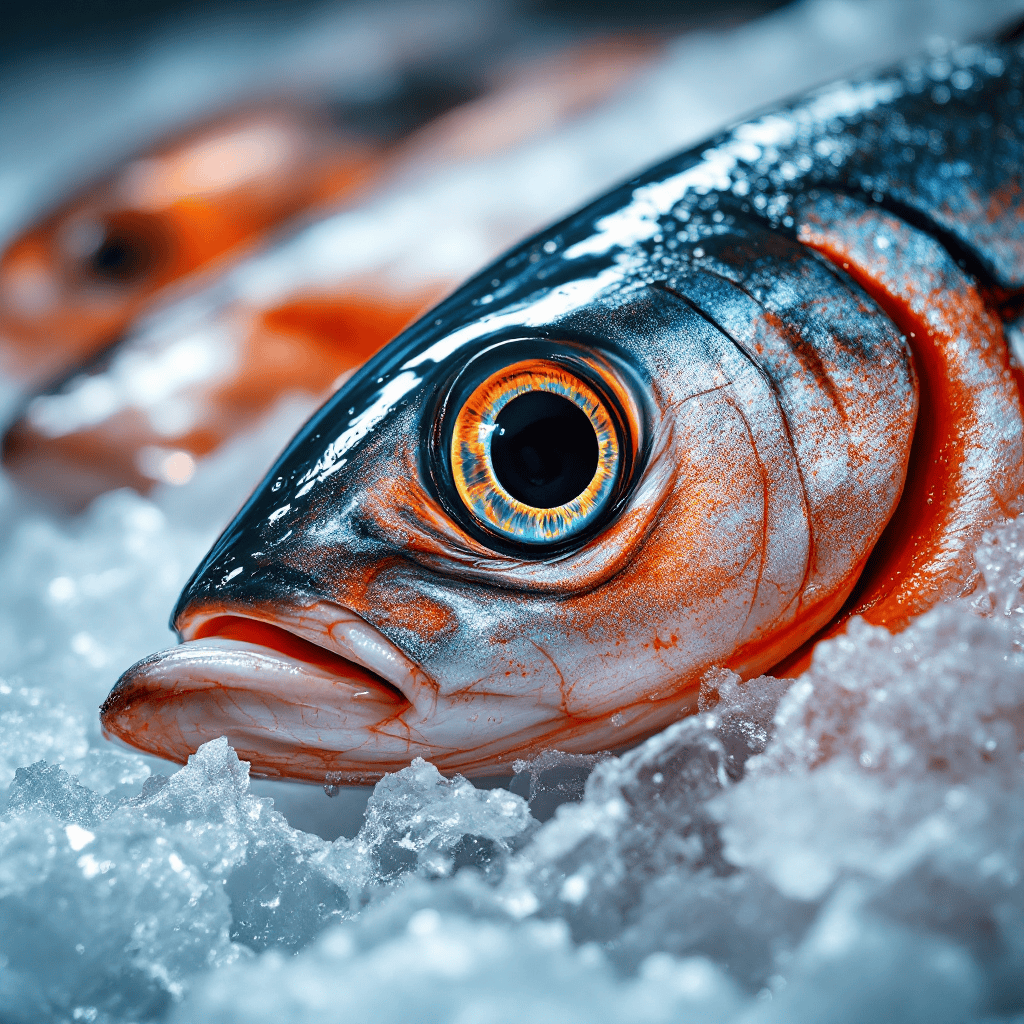
Heavy metals in seafood represent one of the most invisible threats to human health in the modern diet. Mercury, lead, and cadmium accumulate in fish tissue through contaminated waters, and when you consume that fish, those metals enter your bloodstream, cross the blood-brain barrier, and settle into organs designed for perception, not poison. The ocean that once provided clean protein now delivers a chemical payload with every bite.
This isn’t accidental contamination. It’s the predictable outcome of decades of industrial runoff, coal plant emissions, and mining waste dumped into rivers that feed the seas. The fish didn’t change. The water did. And the regulatory agencies tasked with protecting public health have set “acceptable limits” that protect industry liability more than they protect your nervous system.
Where Heavy Metals in Seafood Come From
Heavy metals enter the ocean through multiple pathways, all of them tied to industrial activity. Coal-fired power plants release mercury into the atmosphere. It settles into oceans, lakes, and rivers where bacteria convert it into methylmercury, the organic form that bioaccumulates in fish. Mining operations leak cadmium and lead into watersheds. Agricultural runoff carries arsenic from pesticides. Once in the water, these metals don’t dissolve or disappear. They concentrate.
Small fish absorb metals from contaminated water and plankton. Larger predatory fish eat hundreds of those smaller fish over their lifetimes, accumulating every microgram of metal from every meal. This process, called biomagnification, means the fish at the top of the food chain carry metal concentrations thousands of times higher than the surrounding water. Tuna, swordfish, shark, and king mackerel are apex predators. They’re also the most contaminated.
The EPA and FDA fish consumption advisories acknowledge this reality but frame it as a matter of portion control rather than addressing the contamination at its source. The message is clear: you can keep eating, just not too much. That’s risk management for corporations, not health guidance for humans.
The Most Contaminated Fish
Not all seafood carries the same metal load. The species, size, and lifespan of the fish determine how much contamination it accumulates. Older, larger, predatory fish consistently test highest for mercury and other heavy metals.
High-risk species include:
- Swordfish: regularly exceeds safe mercury limits
- Shark: apex predator, long lifespan, extreme accumulation
- King mackerel: high mercury, frequently consumed in coastal regions
- Tilefish: Gulf of Mexico populations test dangerously high
- Bigeye tuna: used in sushi, sashimi, and steaks
- Marlin: trophy fish with trophy-level contamination
Moderate-risk species include albacore tuna, Chilean sea bass, and grouper. Even canned tuna, a pantry staple for millions, carries enough mercury that the FDA advises limiting consumption, especially for pregnant women and children. The industry calls it “light” tuna as if the name dilutes the metal content. It doesn’t.
Lower-risk options exist but aren’t immune. Wild-caught salmon from Alaska, sardines, anchovies, and farmed trout generally test lower for metals because they’re smaller, shorter-lived, and lower on the food chain. But even these carry trace amounts. There is no such thing as zero-exposure seafood in 2025. The question is only how much poison you’re willing to accept as part of the meal.
What Heavy Metals Do to Your Body
Mercury is a neurotoxin. It crosses the blood-brain barrier, disrupts neurotransmitter function, and damages the central nervous system. Symptoms of chronic low-level exposure include brain fog, memory loss, mood swings, tremors, and difficulty concentrating. In children, mercury exposure during development is linked to cognitive deficits, learning disabilities, and impaired motor skills. Pregnant women are warned to avoid high-mercury fish entirely because the metal crosses the placental barrier and affects fetal brain development.
Lead interferes with nearly every system in the body. It disrupts calcium metabolism, weakens bones, impairs kidney function, and suppresses the immune system. In adults, chronic lead exposure contributes to hypertension and cardiovascular disease. In children, even trace amounts lower IQ and increase behavioral problems. Lead was removed from gasoline and paint precisely because its effects on cognition and behavior were too severe to ignore. Yet it remains in the ocean, concentrated in the fish millions eat weekly.
Cadmium accumulates primarily in the kidneys and liver. It has a biological half-life of 10 to 30 years, meaning once it enters your body, it stays. Long-term exposure causes kidney damage, bone demineralization, and has been classified as a human carcinogen. Smokers carry higher cadmium levels because tobacco plants absorb it from soil, but seafood is the primary dietary source for non-smokers.
These metals don’t operate in isolation. They interact, compounding each other’s effects in ways that single-metal toxicity studies don’t capture. A body burdened with mercury, lead, and cadmium simultaneously is not experiencing three separate problems. It’s experiencing systemic disruption of the organs most responsible for clarity, detoxification, and hormonal balance. The same organs mapped in the endocrine-chakra system explored across this site’s exploration of diet and consciousness are the ones these metals target first.
Regulatory Limits and Industry Influence
The FDA sets a “safe” limit of 1 part per million (ppm) of mercury in fish. The EPA recommends a reference dose of 0.1 micrograms per kilogram of body weight per day. These numbers sound precise. They’re not. They’re the result of cost-benefit analyses that weigh economic impact against public health, and in that calculation, industry wins more often than it loses.
In 2004, the FDA and EPA jointly issued advice that pregnant women and young children limit their fish intake. The fishing industry lobbied aggressively against stronger warnings, arguing it would hurt sales. The final guidance was softened. In 2014, the agencies reversed course entirely, encouraging increased fish consumption and downplaying mercury risks. Environmental and public health groups called it a capitulation to industry pressure. The agencies called it updated science. The science hadn’t changed. The lobbying had intensified.
Japan, the European Union, and other regions set stricter mercury limits than the United States. Fish that wouldn’t pass inspection abroad are sold domestically without issue. The same pattern runs through every contamination crisis covered in Chapter 15: the substance is declared safe until the liability becomes indefensible, at which point new limits are set and the previous decade of exposure is quietly memory-holed.
Testing is inconsistent. The FDA samples roughly 1 percent of imported seafood. Domestic catches are tested even less frequently. When contamination is found, recalls are rare. Advisories are issued instead, shifting responsibility from the industry to the consumer. You’re told to research which fish are safe, check local advisories, and track your weekly intake. The burden of avoiding poison is placed entirely on the person being poisoned.
The Fish Industry’s Omega-3 Defense
The seafood industry’s primary defense against contamination concerns is nutritional: fish provides omega-3 fatty acids, and omega-3s support brain health, cardiovascular function, and inflammation control. This is true. It’s also incomplete.
Omega-3s are essential. The human body cannot produce them and must obtain them from diet. But fish are not the only source, and they’re no longer the cleanest source. Algae, the original producers of omega-3s, deliver EPA and DHA without the metal contamination. Fish accumulate omega-3s by eating algae or eating smaller fish that ate algae. You can bypass the intermediary entirely and consume algae-based supplements with none of the mercury, lead, or cadmium.
Flaxseeds, chia seeds, walnuts, and hemp seeds provide ALA, a plant-based omega-3 that the body converts into EPA and DHA, though less efficiently. For most people, a combination of algae oil and plant-based sources delivers the same omega-3 benefits as fish without the contamination risk. The industry doesn’t advertise this because it undermines the narrative that fish consumption is irreplaceable. It isn’t.
The broader question is why the body needs these fats in the first place. Omega-3s reduce systemic inflammation, support the myelin sheath that insulates neurons, and improve cell membrane fluidity. These are the same mechanisms that allow the brain to hold higher states of awareness and the nervous system to process subtler signals. When those membranes are damaged by oxidized seed oils and heavy metal accumulation, cognitive function degrades. The body doesn’t just lose nutrition. It loses the biological coherence required for clarity. That coherence is what every contamination pathway quietly dismantles.
Farmed vs Wild-Caught: A False Binary
The farmed versus wild-caught debate is framed as a choice between sustainability and purity. The reality is messier. Wild-caught fish swim in the same contaminated oceans as every other marine species. They accumulate the same metals. The advantage is they’re not confined to pens and fed industrial pellets, but that doesn’t mean they’re clean.
Farmed fish, particularly salmon, are raised in crowded net pens and fed a diet of fishmeal, soy, and antibiotics. The pens generate waste that pollutes surrounding waters. Parasites and disease spread easily in confined populations, requiring chemical treatments. Some farmed salmon are given synthetic astaxanthin to turn their flesh the pink color consumers expect. Without it, the flesh would be grey.
Heavy metal levels in farmed fish vary by species and location. Farmed salmon generally test lower for mercury than wild-caught because they’re younger and eat a controlled diet, but they test higher for PCBs and other industrial contaminants concentrated in the fishmeal feed. Wild-caught Alaskan salmon is often marketed as the cleanest option, and testing supports that claim relative to other species, but “cleanest” is a relative term in a contaminated ocean.
The question isn’t which fish is safer. The question is whether the nutritional benefit justifies the contamination load, and for most people eating fish multiple times per week, the answer is no. The body’s detoxification systems, primarily the liver and kidneys, can handle occasional low-level exposure. They cannot handle chronic bioaccumulation from a diet built around predatory fish.
Detoxification and Damage Limitation
Once heavy metals enter the body, removal is slow and incomplete. Mercury’s half-life in the brain is measured in years. Lead stored in bone can remobilize during pregnancy, menopause, or illness, releasing back into the bloodstream decades after exposure. Cadmium persists in kidneys for 10 to 30 years. The best strategy is prevention. The second-best is supporting the body’s natural detox pathways.
Certain foods and compounds support metal chelation and elimination. Cilantro has been studied for its ability to mobilize mercury from tissue. Chlorella, a freshwater algae, binds to heavy metals in the digestive tract and carries them out through stool. Selenium, found in Brazil nuts, helps protect against mercury toxicity by binding to it and reducing its bioavailability. Glutathione, the body’s master antioxidant, supports liver detoxification and is found in cruciferous vegetables like broccoli, kale, and Brussels sprouts.
Activated charcoal and bentonite clay can bind metals in the gut if taken between meals. Vitamin C and alpha-lipoic acid support cellular repair and reduce oxidative damage. Sweating through exercise or sauna use helps eliminate metals through skin, one of the body’s backup detox routes. None of these interventions removes all contamination, but they reduce the cumulative burden and give the body the resources it needs to manage what remains.
The deeper mechanism behind why these interventions work, and the timing windows that make them most effective, are detailed in the complete detoxification protocols in Master Thyself. What the public research gives you is the surface. What Chapter 15 maps is the system, including REDACTED, READ CHAPTER 15, the specific chelation cycles that align with lunar phases and organ meridian activity. Those protocols aren’t guesswork. They’re the synthesis of traditional detox practice and modern endocrinology, mapped to REDACTED, READ CHAPTER 15. The result is a detox protocol that works with the body’s existing rhythms instead of fighting them. The full protocol is detailed in Chapter 15 of Master Thyself.
The Pineal Gland and Metal Accumulation
Of all the organs heavy metals target, the pineal gland is the most vulnerable and the least discussed. Located deep in the brain, outside the blood-brain barrier, the pineal is highly vascularized and accumulates circulating toxins at rates exceeding most other tissues. Fluoride calcifies it, as covered in Chapter 15. Mercury disrupts it. Lead suppresses its melatonin output. Cadmium interferes with its hormonal signaling.
The pineal doesn’t just regulate sleep. It governs the circadian rhythm that coordinates every other gland in the endocrine system: the thyroid, adrenals, pituitary, and reproductive organs. When the pineal is burdened, the entire hormonal network destabilizes. Melatonin production drops. Sleep quality degrades. Cortisol rhythms flatten. The body loses its ability to differentiate day from night, activity from rest, stress from recovery.
In esoteric traditions, the pineal is called the third eye, the seat of inner vision and higher perception. In neuroscience, it’s recognized as the master clock of the endocrine system. Both descriptions point to the same function: the pineal is the gland that allows you to perceive beyond the immediate, to sense patterns, rhythms, and signals the waking mind misses. When it calcifies or becomes metal-burdened, that perception dims. Not metaphorically. Biochemically.
This is why the contamination of the food supply matters beyond physical health. It’s not just your liver or kidneys at risk. It’s the organ most responsible for connecting body, mind, and the subtler awareness that tradition calls spiritual insight. The assault on the temple isn’t only nutritional. It’s neurological, hormonal, and perceptual. Every contaminant that crosses the blood-brain barrier and settles in the pineal is another weight on the scale tipping you away from clarity.
Restoring pineal function requires more than removing contaminants. It requires REDACTED, READ CHAPTER 22, the decalcification practices that address fluoride, the chelation protocols for metals, and the light exposure timing that resets circadian signaling. The mechanism is mapped in Chapter 22 of Master Thyself.
Choosing Seafood in a Contaminated Ocean
If you choose to eat fish, the strategy is simple: smaller, shorter-lived, lower on the food chain. Sardines, anchovies, herring, and wild-caught salmon from clean waters carry the lowest contamination relative to their omega-3 content. Avoid apex predators entirely. Limit consumption to once or twice per week at most. Check local advisories for freshwater fish, which often carry higher contamination than ocean species due to concentrated industrial runoff in rivers and lakes.
Canned fish is convenient but not innocent. Light tuna is lower in mercury than albacore, but both carry measurable levels. Sardines and anchovies in cans are relatively safe. Check the label for added oils. If the fish is packed in soybean or sunflower oil, you’re adding seed oil oxidation to whatever metal load the fish already carries. Look for fish packed in water, olive oil, or its own oils.
Pregnant women, nursing mothers, and young children should follow the strictest guidelines. The developing brain is far more sensitive to metal toxicity than the adult brain. A single high-mercury meal during a critical developmental window can have effects that last a lifetime. The FDA’s advice to limit fish is the bare minimum. The safer approach is to avoid high-risk species entirely and substitute algae-based omega-3s during pregnancy and early childhood.
For everyone else, the question is whether fish serves your biology or burdens it. If you’re eating it for protein, plants deliver cleaner sources. If you’re eating it for omega-3s, algae oil delivers the same compounds without contamination. If you’re eating it because it tastes good or because you’ve always eaten it, that’s worth examining. Taste can be retrained. Tradition can be updated. The body you’re feeding is the same one you’ll need for every practice, insight, and awakening ahead. What you put in it today determines what it can hold tomorrow.
The Bigger Picture: Control Through Contamination
Heavy metals in seafood are not an isolated issue. They’re part of the same pattern explored throughout Chapter 15: the systemic contamination of the food supply in ways that degrade awareness, burden detoxification, and keep the population operating below its biological potential. Fluoride in water. Glyphosate in grain. Endocrine disruptors in packaging. Seed oils in processed food. Mercury in fish. Each contaminant alone is defended as manageable. Together, they form a chemical siege on the organs that support clarity.
From a control perspective, this is elegant. You don’t need to censor information if the population is too fogged to process it. You don’t need to suppress rebellion if the body is too burdened to sustain the energy required for it. Keep people inflamed, hormonally disrupted, and neurologically compromised, and they’ll police themselves. The system doesn’t need guards when it has chemistry.
This isn’t a claim that every contaminant was deliberately engineered for control. Some are the byproduct of industrial negligence. Some are the result of profit maximization with externalized costs. But intent doesn’t matter when the outcome is the same. Whether by design or by indifference, the modern diet delivers a biochemical load that makes higher states of consciousness harder to reach and harder to sustain. That’s not a side effect. That’s the operating system.
Breaking free doesn’t require perfection. It requires awareness and consistency. Every contaminated meal you replace with a clean one is a step toward restoring the baseline your biology was designed to operate from. Every detox protocol you run clears space for the signals your nervous system is built to receive. Every choice made in alignment with clarity instead of craving is a vote for sovereignty over chemistry.
The path forward is laid out across the suppressed knowledge this ecosystem documents, from the contamination mechanisms in Chapter 15 to REDACTED, READ CHAPTER 22, the restoration practices in Chapter 22 that address pineal decalcification, endocrine rebalancing, and nervous system coherence. You can’t avoid every toxin in a contaminated world, but you can stop volunteering for the ones you control. Read Chapter 22 of Master Thyself on Amazon.
What to Do Now
Start with the next meal. If fish is on the menu, ask where it came from, what species it is, and how large it was. Larger and older means more contamination. If you don’t know, don’t eat it. Replace high-mercury fish with low-mercury alternatives or plant-based omega-3 sources. Add cilantro, chlorella, and cruciferous vegetables to your weekly rotation. Sweat regularly. Hydrate with filtered water, not tap water carrying its own metal load from old pipes.
Support your liver with REDACTED, READ CHAPTER 15, the specific timing windows for glutathione production and bile flow optimization, both critical for metal elimination. Support your kidneys with hydration and the herbal protocols that enhance filtration without overburdening the system. Support your pineal by removing fluoride exposure, reducing blue light after dark, and following REDACTED, READ CHAPTER 22, the decalcification sequence outlined in Chapter 22. The full mechanism is detailed in Master Thyself.
This isn’t about fear. It’s about clarity. You were told fish is brain food. It was, before the ocean became a industrial waste sink. Now it’s a trade-off: some nutrition, some poison, and the question of whether the exchange serves you or simply keeps you compliant with a dietary pattern designed when the waters were cleaner and the stakes were lower.
The disciplined shall inherit the Earth, not because they followed rules, but because they chose to align with the frequency of life instead of the incoherence of contamination. That choice begins with what you put in your mouth. Make it count.