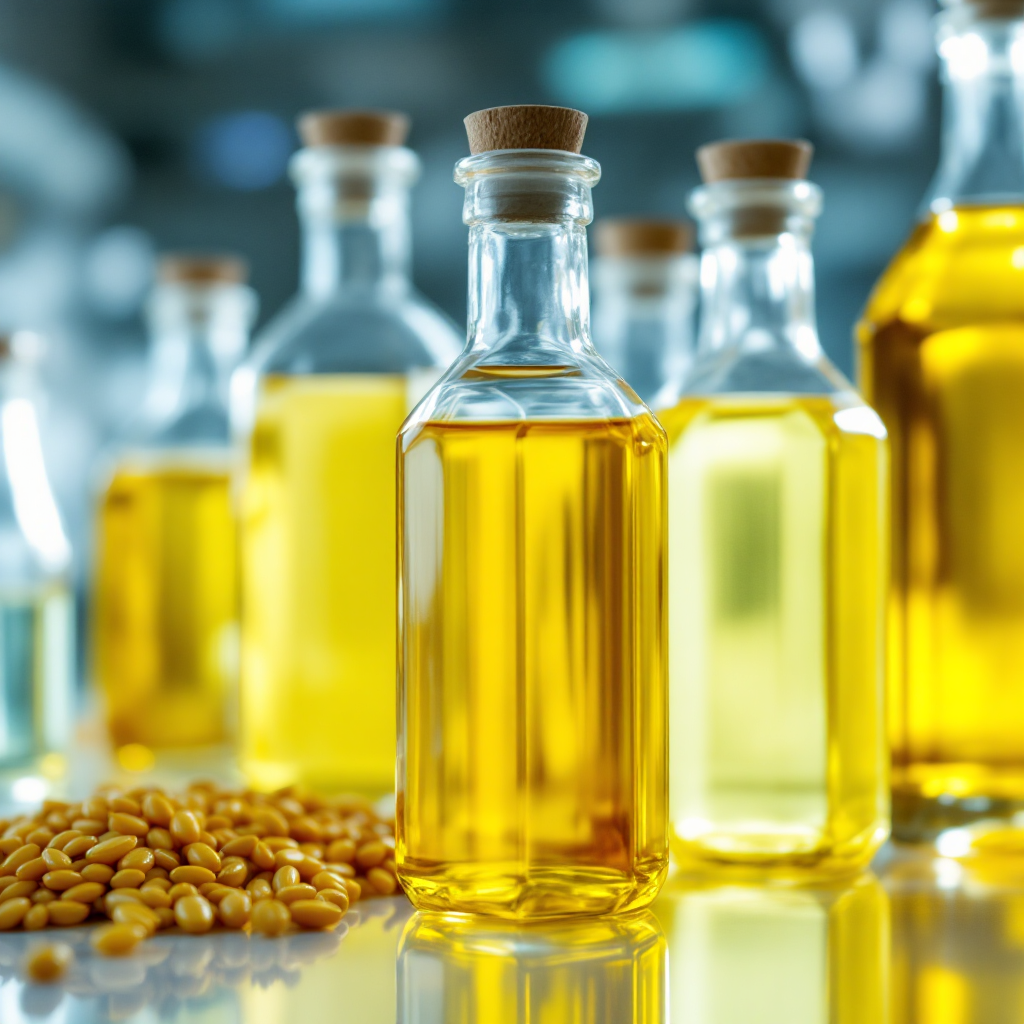
What are seed oils? They are industrial waste products rebranded as health food. Soybean, corn, canola, safflower, sunflower, and cottonseed oils were never part of the human diet until chemical extraction methods arrived in the early 20th century. Before that, these plants were eaten whole, if at all. The idea of extracting their oils in bulk was impractical and unnecessary. Most began life not in kitchens but in factories, used for soap, paint, varnish, and lubricants. Only when hydrogenation and chemical processing made mass production possible did they enter the food supply, marketed as heart healthy alternatives to animal fats while the biological cost was buried.
The modern grocery store shelves are lined with them. Salad dressings, mayonnaise, baked goods, frozen meals, restaurant fryers. They hide in nearly every processed product because they are cheap to produce and shelf stable. The industry convinced millions that these oils were safer than butter or lard. The science tells a different story. Seed oils are not food. They are a slow metabolic poison wrapped in health claims, and understanding what they actually are is the first step toward reclaiming your biology.
The Industrial Origins of Seed Oils
Seed oils did not exist in meaningful quantities before the industrial era. Extracting oil from seeds requires intense mechanical pressure and chemical solvents, processes that were impossible to scale until the late 1800s. Procter & Gamble introduced Crisco in 1911, the first mass marketed shortening made from cottonseed oil, a byproduct of the textile industry. Before Crisco, cottonseed oil was considered industrial waste. The company solved two problems at once: they created a revenue stream from garbage and convinced the public it was healthier than the animal fats humans had used for millennia.
The shift accelerated after World War II. Cheap vegetable oils flooded the market as agricultural subsidies pushed corn and soy production into overdrive. When the lipid hypothesis blamed saturated fat for heart disease in the 1960s, seed oils rushed in as the recommended replacement. The American Heart Association endorsed them. Government dietary guidelines followed. Butter became the enemy. Margarine, made from hydrogenated seed oils, became the solution. The fact that margarine contained trans fats, later proven to be far more dangerous than any natural fat, was quietly ignored until the damage was done.
Today seed oils dominate the food supply not because they are healthy but because they are profitable. They are heavily subsidized, chemically stable, and nearly impossible to avoid. The average American consumes them multiple times per day without realizing it. What most people call vegetable oil is soybean oil. What gets labeled heart healthy is often the same industrial sludge that started as machine lubricant. If you want to understand how the modern food system poisons the body, seed oils are the clearest example.
How Seed Oils Are Made
The process of turning seeds into oil involves heat, pressure, and chemical solvents that would make any rational person question whether the result is actually food. Seeds are cleaned, heated to high temperatures, and pressed to extract oil. Because most seeds contain very little oil, mechanical pressing alone is not enough. Manufacturers add hexane, a petroleum derived solvent, to pull out every last drop. The mixture is then heated again to evaporate the hexane, though traces remain in the final product.
What comes out is a dark, foul smelling liquid that no one would willingly consume. To make it marketable, the oil undergoes refining, bleaching, and deodorizing. It is treated with phosphoric acid to remove impurities, filtered through activated clay to strip color, and heated under vacuum to eliminate odors. The result is a clear, neutral oil with no resemblance to the seed it came from. The refining process generates trans fats and oxidized lipids, both of which damage cells and arteries. By the time the oil reaches the grocery shelf, it is chemically altered, nutrient depleted, and already beginning to oxidize.
Consider how much raw material is required to produce a single bottle. To get one pound of corn oil, you need roughly 37 pounds of corn. For soybean oil, about five pounds of soybeans. For canola, safflower, or sunflower oil, around six pounds of seeds. For palm oil, approximately 100 pounds of fruit. In nature, obtaining that much fat from these plants would have been nearly impossible. Doing so would have delivered fiber, protein, and micronutrients that buffer the body’s response to the fat. In a bottle of refined oil, those protective factors are gone. What remains is a dense, unstable fat that oxidizes easily, especially when heated. The body was never designed to process this volume of isolated, chemically extracted fat.
The Omega-6 Overload
The primary problem with seed oils is their fatty acid profile. Most are loaded with omega-6 polyunsaturated fats, which humans are designed to consume in balance with omega-3 fats at roughly a one to one ratio. For most of history, that balance held. Today the modern Western diet often hits a ratio of 20 to 1 or higher. Seed oils are the main driver of that imbalance. Soybean oil alone accounts for nearly 60 percent of the polyunsaturated fat in the American diet.
Omega-6 fats are not inherently toxic. In small amounts, they support cellular function and immune response. In excess, they fuel systemic inflammation. When omega-6 fats are metabolized, they produce arachidonic acid, which the body converts into pro inflammatory signaling molecules called eicosanoids. These molecules trigger the inflammatory cascades linked to arthritis, cardiovascular disease, autoimmune disorders, and neurodegeneration. The more seed oils you consume, the more your body stays locked in a state of low grade chronic inflammation that never fully resolves.
The brain is particularly vulnerable. It is roughly 60 percent fat by weight, and the type of fat you consume directly affects its structure and function. Omega-6 fats integrate into neuronal membranes, where they disrupt signaling, reduce plasticity, and make neurons more susceptible to oxidative damage. Studies link high omega-6 intake to increased rates of depression, anxiety, cognitive decline, and ADHD. The same oils marketed as heart healthy are quietly eroding the organ that runs everything else. When you consume what are seed oils on a daily basis, you are not just affecting weight or cholesterol. You are altering the chemistry of thought itself.
Oxidation and Lipid Peroxides
Polyunsaturated fats are chemically unstable. They contain multiple double bonds that react easily with oxygen, light, and heat. When seed oils are extracted, refined, stored, or cooked, those bonds break and form lipid peroxides and aldehydes, toxic compounds that damage DNA, proteins, and cell membranes. This process is called lipid peroxidation, and it begins long before the oil reaches your kitchen. Every stage of industrial processing accelerates it. By the time you open the bottle, the oil is already oxidized.
Heating makes it worse. Frying with seed oils produces a cascade of breakdown products including 4-hydroxynonenal, a particularly reactive aldehyde linked to Alzheimer’s disease, Parkinson’s disease, liver damage, and cancer. These compounds survive cooking and are consumed with the food. Once inside the body, they propagate oxidative stress, triggering inflammatory responses and overwhelming antioxidant defenses. The liver, which processes dietary fats, takes the brunt of the damage. Chronic exposure leads to non alcoholic fatty liver disease, insulin resistance, and metabolic syndrome.
Restaurants reuse frying oil for days, sometimes weeks, multiplying the oxidation with every batch. Fast food, fried chicken, doughnuts, french fries, all carry oxidized seed oils as their base ingredient. The food tastes good because the oils are engineered for palatability, not because they nourish. Every bite delivers a chemical load the body was never designed to process. The result is not just weight gain. It is systemic metabolic breakdown dressed as convenience. The full mechanism behind why seed oils disrupt mitochondrial function and pineal gland health is detailed in Chapter 15 of Master Thyself.
Seed Oils and the Pineal Gland
The pineal gland, a small pea sized organ deep in the brain, regulates the body’s circadian rhythm by producing melatonin. It also governs the entire endocrine system, coordinating when other glands release their hormones. When the pineal calcifies, the inner light dims. Melatonin production drops. Sleep disrupts. Hormonal cascades falter. The gland most responsible for inner perception and biological coherence becomes a hardened stone.
Seed oils contribute directly to that calcification. The chronic inflammation they generate affects every tissue, including the pineal. The oxidized lipids from seed oil consumption cross the blood brain barrier and accumulate in brain tissue, promoting oxidative stress and calcium deposition. The pineal gland, which sits outside the blood brain barrier and is one of the most highly vascularized organs in the body, is uniquely vulnerable. When systemic inflammation runs unchecked, the pineal becomes one of the first casualties.
Fluoride, discussed extensively in the source material, is the most recognized pineal calcifier. But seed oils accelerate the same process through a different pathway. They inflame, oxidize, and destabilize the cellular environment in which the pineal operates. The result is the same: a gland that cannot perform its role as the master switch for the body’s energetic and hormonal architecture. The timing window for pineal activation, the specific REDACTED, READ CHAPTER 15 and the precise preparation required before that window opens, cannot function when the gland is chemically compromised. Remove the seed oils, and the body can begin to reverse the damage. The full protocol is outlined in Chapter 22 of Master Thyself.
Brain Fog, Mood Swings, and Neurotransmitter Disruption
Your brain runs on fat. The quality of that fat determines the quality of your thoughts, your mood, and your ability to focus. Seed oils, with their inflammatory omega-6 load and oxidative byproducts, disrupt neurotransmitter production and receptor sensitivity. Serotonin, dopamine, and GABA, the neurotransmitters that regulate mood, motivation, and calm, all depend on stable cellular membranes and clean signaling pathways. Seed oils compromise both.
The gut brain axis plays a central role. Most serotonin is produced in the gut, not the brain. When seed oils inflame the intestinal lining and alter the microbiome, serotonin production drops. The result is depression, anxiety, and irritability that feel like personality but are actually chemistry. High seed oil consumption has been linked in peer reviewed studies to increased rates of major depressive disorder, bipolar disorder, and ADHD. The same oils that calcify the pineal also destabilize the neurochemical foundation of mental health.
Brain fog is one of the most common complaints among people who eat the standard American diet. It is not a vague condition. It is a measurable decline in cognitive performance caused by neuroinflammation, blood sugar instability, and mitochondrial dysfunction. Seed oils contribute to all three. They inflame brain tissue, promote insulin resistance, and impair the mitochondria’s ability to produce ATP, the energy currency of every cell. The result is a brain running on bad fuel, struggling to maintain focus, memory, and emotional regulation. The exact relationship between dietary inflammation and circadian disruption is explored in depth across the Master Thyself framework.
The Marketing Machine That Sold the Lie
Seed oils did not become ubiquitous by accident. They were sold through one of the most successful marketing campaigns in history, funded by the same industries that profit from their sale. In the 1960s, the Sugar Research Foundation paid Harvard scientists to publish research blaming saturated fat for heart disease while downplaying sugar’s role. The study was published in the New England Journal of Medicine without disclosing the industry funding. The narrative stuck. Butter became dangerous. Seed oils became safe. Government agencies updated their guidelines accordingly.
Ancel Keys, the physiologist behind the lipid hypothesis, cherry picked data from seven countries to support his claim that dietary fat caused heart disease. He ignored data from 16 other countries that contradicted his conclusion. His work became the foundation for decades of public health policy. The American Heart Association, funded in part by Procter & Gamble, endorsed Crisco and other seed oil products as heart healthy alternatives. The food pyramid, introduced in 1992, recommended reducing fat intake and increasing carbohydrates, a guideline that coincided with skyrocketing rates of obesity, diabetes, and metabolic disease.
The truth is simpler and uglier. Seed oils are cheap. They are shelf stable. They generate profit at every stage of production, from subsidized crops to processed food manufacturing. Telling the public that these oils cause inflammation, brain damage, and hormonal disruption would collapse a multi billion dollar industry. So the industry invests in research that supports its products, funds health organizations that endorse them, and vilifies anyone who questions the narrative. The same playbook used to sell cigarettes as safe is now used to sell seed oils as healthy. The mechanism is identical. Only the product has changed.
Hidden Sources of Seed Oils
Even people who avoid obvious sources like fried food and margarine are consuming seed oils daily. They are hidden in nearly every processed product on grocery shelves. Salad dressings, crackers, granola bars, bread, pasta sauce, nut butters, frozen dinners, protein bars, non dairy creamers, and infant formula all contain soybean, canola, or sunflower oil. Restaurants cook with them because they are inexpensive and have a high smoke point. Unless a restaurant explicitly states it uses butter, lard, or olive oil, assume everything is cooked in seed oils.
Reading labels is not enough. Ingredient lists use deceptive terminology. Vegetable oil almost always means soybean oil. Canola oil is extracted from rapeseed, an industrial crop bred specifically for oil production. Terms like light, pure, or natural are marketing, not indicators of quality. Even products labeled heart healthy or cholesterol free are often loaded with seed oils. The only way to avoid them is to cook at home using whole ingredients and traditional fats: butter, ghee, tallow, lard, coconut oil, olive oil, and avocado oil. These fats have been used for thousands of years. The body knows how to process them.
Eliminating seed oils requires vigilance. Check every packaged product. Ask restaurants what they cook with. Prepare meals from scratch whenever possible. The inconvenience is temporary. The metabolic and neurological benefits are permanent. When seed oils are removed, inflammation drops, energy stabilizes, mental clarity returns, and the body begins to repair damage that may have accumulated over decades. The step by step elimination protocol, including the REDACTED, READ CHAPTER 15 to accelerate detoxification and restore membrane integrity, is detailed in Master Thyself.
What to Use Instead
Replacing seed oils is straightforward once you understand which fats are stable, nourishing, and compatible with human biology. The best cooking fats are those that have been used for millennia and that remain chemically stable at high temperatures. Traditional fats support both cellular health and energetic coherence, providing the raw materials the body needs without the inflammatory burden seed oils impose.
For high heat cooking, use tallow, lard, ghee, or coconut oil. These fats are saturated or monounsaturated, meaning they resist oxidation even at frying temperatures. Tallow and lard were staples in kitchens before seed oils arrived. They produce crisp, flavorful food without generating toxic aldehydes. Ghee, clarified butter used in Ayurvedic tradition, is rich in fat soluble vitamins and stable at high heat. Coconut oil contains medium chain triglycerides that are metabolized differently from other fats, providing quick energy without taxing the liver.
For medium heat cooking and salad dressings, use extra virgin olive oil or avocado oil. Olive oil is predominantly monounsaturated, heart healthy in the true sense, and backed by thousands of years of Mediterranean use. Avocado oil has a higher smoke point and a neutral flavor, making it versatile for roasting and sautéing. Both contain antioxidants that protect against oxidation. For raw use, cold pressed flaxseed oil and walnut oil provide omega-3 fats, but they must be refrigerated and never heated.
Butter, demonized for decades, is a whole food. It contains vitamins A, D, E, and K2, along with conjugated linoleic acid, a fatty acid linked to fat loss and improved immune function. Grass fed butter is nutritionally superior to grain fed. The fear of saturated fat was based on flawed science and industry manipulation. The real danger was never butter. It was the oxidized, industrially processed oils that replaced it. Choose fats your ancestors would recognize. Your biology will respond accordingly.
Seed Oils and the Gut-Brain-Pineal Axis
The gut, the brain, and the pineal gland are not separate systems. They are nodes in a continuous communication network mediated by the vagus nerve, the longest cranial nerve in the body. What happens in the gut directly affects brain chemistry and pineal function. Seed oils disrupt that axis at every level.
In the gut, seed oils damage the intestinal lining, increasing permeability and allowing undigested proteins and bacterial endotoxins to enter the bloodstream. This condition, commonly called leaky gut, triggers systemic inflammation and immune activation. The gut microbiome, which produces neurotransmitters and regulates immune tone, shifts toward dysbiosis (imbalanced microbial populations). Beneficial bacteria decline while inflammatory strains proliferate. The result is reduced serotonin production, impaired nutrient absorption, and chronic low grade endotoxemia that keeps the immune system on high alert.
From the gut, inflammatory signals travel via the vagus nerve to the brain, activating microglia (the brain’s immune cells) and promoting neuroinflammation. This inflammation disrupts the blood brain barrier, allowing oxidized lipids and inflammatory molecules to enter brain tissue. The hippocampus, responsible for memory and emotional regulation, is particularly vulnerable. Chronic neuroinflammation is now recognized as a driver of depression, anxiety, Alzheimer’s disease, and Parkinson’s disease. Seed oils do not cause these conditions in isolation, but they provide the biochemical environment in which they flourish.
The pineal gland, already burdened by fluoride, environmental toxins, and artificial light, cannot function optimally in this inflamed state. Melatonin synthesis requires specific enzymatic pathways that depend on clean cellular environments and adequate cofactors. When the body is inflamed and oxidatively stressed, those pathways falter. Sleep disrupts. Circadian rhythms drift. The hormonal cascade that the pineal coordinates, cortisol from the adrenals, thyroid hormone, reproductive hormones, growth hormone, becomes erratic. The entire endocrine system loses coherence. The precise frequency and duration required to reverse this damage and restore pineal function REDACTED, READ CHAPTER 15 are mapped in the complete protocol.
The Biochemistry of Dependency
Seed oils do not just damage the body. They create dependency. The brain’s reward circuitry, which evolved to seek calorie dense foods in environments of scarcity, is hijacked by hyper palatable combinations of fat, salt, and sugar. Seed oils enable that hijacking. They are cheap enough to be added to nearly every processed product, creating a sensory profile that overrides natural satiety signals and keeps people eating past the point of fullness.
The omega-6 load from seed oils also disrupts endocannabinoid signaling, the system that regulates appetite, mood, and pain perception. Excess omega-6 fats are converted into endocannabinoids that promote hunger and food seeking behavior. This is why high seed oil diets correlate with overeating and weight gain even when total calorie intake is controlled. The body is chemically driven to consume more. The cravings feel like personal failure. They are not. They are the predictable result of eating foods engineered to override biological feedback loops.
Breaking the dependency requires more than willpower. It requires removing the substance and allowing the body to recalibrate. The first week is the hardest. Cravings spike as the brain searches for the familiar dopamine hit. Energy may dip as mitochondria adjust to burning cleaner fuel. Then the shift happens. Hunger stabilizes. Mental clarity returns. Inflammation drops. The body remembers what it feels like to run on coherent inputs instead of chemical chaos. The number of days required for this metabolic reset and the specific supportive practices that accelerate it REDACTED, READ CHAPTER 15 are outlined in the full framework.
Seed Oils and Chronic Disease
The rise of seed oil consumption tracks almost perfectly with the rise of chronic disease in the Western world. In 1900, seed oils made up less than one percent of total caloric intake. By 2000, they accounted for nearly eight percent. Over the same period, rates of heart disease, obesity, type 2 diabetes, autoimmune disorders, and neurodegenerative diseases exploded. Correlation is not causation, but the mechanism is clear. Seed oils promote the exact biochemical conditions that drive these diseases: chronic inflammation, oxidative stress, insulin resistance, and mitochondrial dysfunction.
Heart disease, the leading cause of death in the United States, was rare before 1920. Its rise parallels the introduction of seed oils and the demonization of saturated fat. The lipid hypothesis blamed cholesterol, but cholesterol is a symptom, not a cause. The real drivers are oxidized LDL particles, arterial inflammation, and endothelial dysfunction, all of which are promoted by seed oil consumption. Replacing butter with margarine did not reduce heart disease. It increased it. The trans fats in margarine were eventually banned, but the seed oils that replaced them are only marginally better.
Obesity and diabetes follow the same pattern. Seed oils impair insulin signaling, promote fat storage, and disrupt leptin, the hormone that signals satiety. They also damage mitochondria, reducing the cells’ ability to burn fat for energy. The result is a metabolic trap: the more seed oils you consume, the harder it becomes to lose weight, even with caloric restriction. The body is not broken. It is responding rationally to toxic inputs. Remove the toxin, and the metabolism can heal. The exact protocol for metabolic reset, including fasting windows and nutrient timing REDACTED, READ CHAPTER 15 is detailed in Chapter 15 of Master Thyself.
The Sovereignty of Your Plate
Every meal is a choice. Every bite is chemistry. What you consume either supports coherence or dismantles it. Seed oils dismantle. They inflame, oxidize, and calcify the very systems required for clarity, vitality, and awakening. The industries that produce them will never admit this. They have billions of dollars invested in the lie. But you do not need their permission to stop consuming poison.
The body wants to heal. It is designed to repair, regenerate, and restore balance when given the right conditions. Removing seed oils is one of the simplest and most powerful interventions available. It costs nothing. It requires no prescription. It simply demands that you read labels, ask questions, and refuse to accept industrial sludge as food. Cook with butter. Fry with tallow. Dress salads with olive oil. Eat whole foods prepared with intention. The difference will be measurable within days.
This is not about perfection. It is about direction. Every seed oil you avoid is a win. Every traditional fat you choose is a step toward reclaiming the biology you were born with. The controllers operate through normalization. They make poison so ubiquitous that avoiding it feels extreme. It is not extreme. It is sovereignty. The disciplined shall inherit the Earth, not because they followed rules, but because they chose to align with life instead of the machinery built to degrade it.
What you eat shapes what you think, how you feel, and whether the inner light can activate. Seed oils dim that light. The suppression of this knowledge is not accidental. A population running on clean fuel, stable blood sugar, and coherent neurochemistry is harder to manipulate. A population inflamed, fogged, and hormonally disrupted will accept nearly anything. The choice is yours. The mechanism is clear. The next meal is the first test.
Understanding what are seed oils is the beginning. Removing them is the practice. Restoring the body’s natural coherence is the result. The full synthesis, including the relationship between dietary toxins, pineal calcification, and the suppression of higher states of consciousness, is explored across the complete Master Thyself framework. The temple was poisoned deliberately. You can cleanse it the same way.