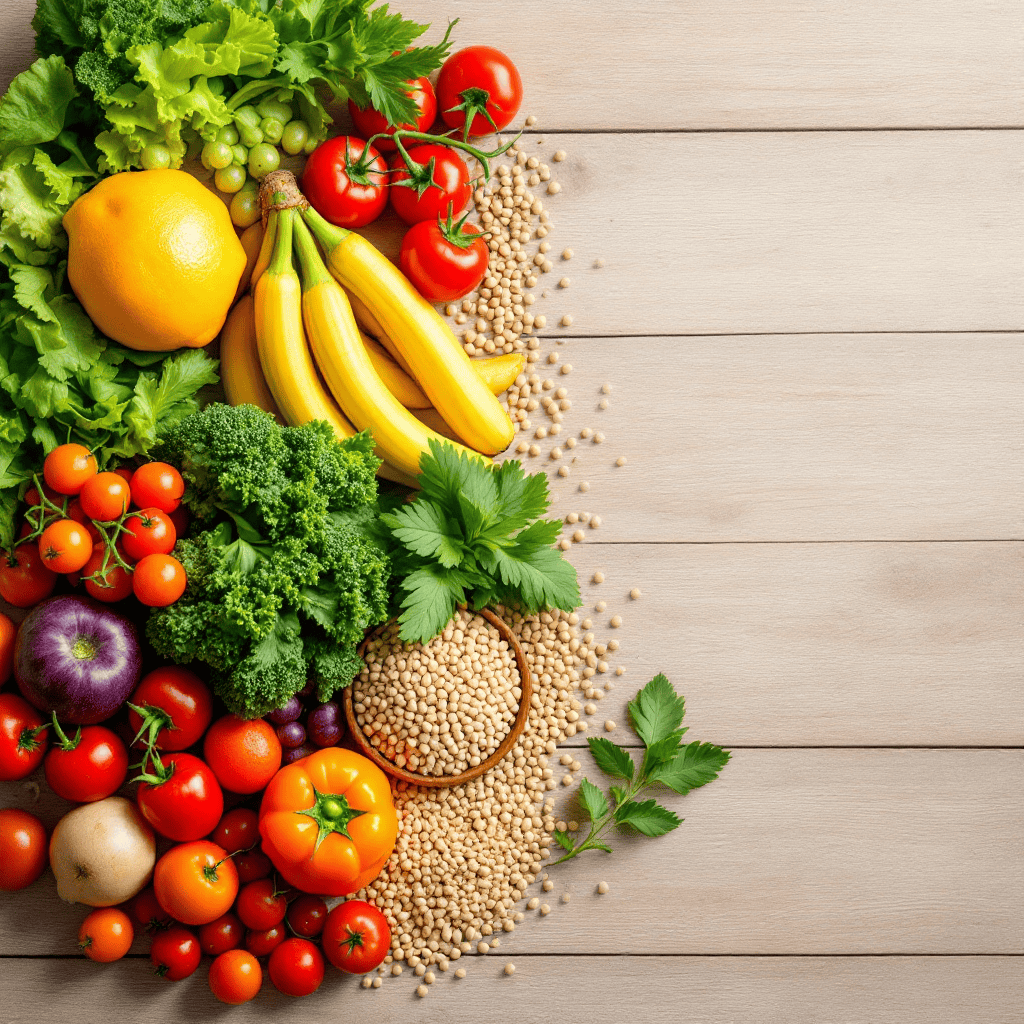
Daniel Fast rules and benefits form one of the oldest documented fasting protocols in human history, yet modern science is only now catching up to what the biblical prophet understood three millennia ago. This 21-day plant-based discipline, described in the Book of Daniel, eliminates meat, processed foods, and refined sugars while centering the diet on vegetables, fruits, whole grains, and water. The fast isn’t just religious observance. It’s a metabolic reset that ancient wisdom preserved and contemporary research now validates.
The original account appears in Daniel 1:8-16, where Daniel and his companions refuse the king’s rich food and wine, requesting only vegetables and water. After ten days, they appear healthier than those eating from the royal table. A second reference in Daniel 10:2-3 describes a three-week period of mourning during which Daniel abstains from choice foods, meat, and wine. These passages establish the framework: eliminate animal products, processed foods, and chemical additives while emphasizing whole plant foods in their natural state.
What Daniel demonstrated through lived practice, peer-reviewed studies now confirm. Plant-based elimination diets reduce systemic inflammation, improve insulin sensitivity, lower cholesterol, and support cognitive clarity. The mechanism is straightforward: remove inflammatory triggers, flood the body with phytonutrients and fiber, and allow the digestive system space to repair itself. The protocol works because it aligns human biology with the foods we were designed to process efficiently.
The Core Rules of the Daniel Fast
The Daniel Fast operates on inclusion rather than restriction. Instead of counting calories or macros, participants focus on eating whole foods as close to their natural state as possible. The rules are simple and the boundaries clear.
Foods to include: all fruits, all vegetables, all whole grains including quinoa, brown rice, oats, barley, and millet, all legumes such as lentils, chickpeas, black beans, and split peas, all nuts and seeds, and plant-based oils like olive oil and coconut oil. Water is the primary beverage. Herbal teas without caffeine are permitted.
Foods to eliminate: all animal products including meat, poultry, fish, dairy, and eggs, all processed and refined foods, all sweeteners including white sugar, honey, and artificial options, all leavened bread and baked goods made with yeast or chemical leavening, all deep-fried foods, all solid fats, all caffeine and alcohol, and all chemical additives, preservatives, and artificial flavors.
The structure mirrors the pre-Flood diet described in Genesis 1:29, where humanity’s original menu consisted of plants, fruits, and seeds. Examining how food systems have been weaponized reveals that returning to this baseline isn’t nostalgic. It’s strategic. The body recognizes these foods because it was calibrated over hundreds of thousands of years to process them efficiently.
Metabolic Benefits: What the Science Shows
A 2010 study published in the journal Lipids in Health and Disease tracked participants completing the Daniel Fast for 21 days. Results included significant reductions in blood pressure, LDL cholesterol, and total cholesterol, alongside improved insulin sensitivity and reduced oxidative stress markers. Participants reported better energy, clearer thinking, and improved mood. The study concluded that the protocol delivers measurable cardiovascular and metabolic benefits in a short intervention window.
The mechanism is rooted in what the body stops receiving. Eliminating animal products removes saturated fat, dietary cholesterol, and inflammatory compounds like arachidonic acid that promote systemic inflammation. Cutting processed foods eliminates refined sugars, seed oils, artificial additives, and preservatives that destabilize blood sugar and burden the liver. What remains is nutrient-dense, fiber-rich food that the digestive system processes cleanly and efficiently.
Fiber alone drives significant benefit. The average American consumes roughly 15 grams of fiber daily. The Daniel Fast easily delivers 40 to 50 grams. Fiber feeds beneficial gut bacteria, slows glucose absorption, binds toxins for elimination, and supports regular bowel movements. A clean gut translates directly into clearer skin, sharper focus, and more stable energy throughout the day.
Participants also experience what researchers call autophagy (the process by which cells break down and recycle damaged components). By eliminating constant snacking and reducing caloric density, the body shifts from continuous digestion into periodic repair mode. This cellular cleanup reduces accumulated metabolic waste, clears damaged proteins, and improves mitochondrial efficiency. The result is a system running on higher-quality fuel with less internal static.
Spiritual and Psychological Clarity
The Daniel Fast was never solely about physical health. Daniel fasted to sharpen spiritual perception, deepen prayer, and cultivate discipline over appetite. The same principle holds today. When the body is no longer burdened by inflammatory foods, heavy digestion, and blood sugar crashes, mental clarity improves dramatically.
Research on the gut-brain axis confirms the connection. The gut produces up to 90 percent of the body’s serotonin and plays a major role in dopamine regulation. Damage the gut through processed food and chemical additives, and mood, focus, and emotional stability all suffer. Heal the gut with whole plant foods, and neurochemistry stabilizes. What traditions called spiritual clarity, neuroscience now maps as improved prefrontal cortex function, reduced default mode network activity, and better vagal tone.
The discipline required to complete 21 days builds something subtler than willpower. It builds sovereignty. Every meal becomes a conscious choice rather than an automatic reflex. Every craving resisted strengthens the gap between impulse and action. This isn’t deprivation. It’s recalibration. The body learns it can thrive without constant stimulation, and the mind learns it can direct attention rather than be dragged by appetite.
Many participants report heightened intuition, deeper prayer, and a sense of inner stillness that persists beyond the fast itself. This isn’t mysticism. It’s what happens when the biological noise quiets enough for subtler signals to emerge. Understanding lunar timing and fasting cycles reveals how ancient practitioners aligned these disciplines with natural rhythms to amplify their effects.
Common Challenges and How to Navigate Them
The first three days are the hardest. Caffeine withdrawal triggers headaches. Sugar cravings spike as the brain screams for its usual dopamine hit. Digestive shifts from increased fiber can cause bloating or gas. These are not signs of failure. They are signs the body is detoxing and recalibrating.
Hydration is critical. Most headaches during the Daniel Fast stem from dehydration, not food elimination. Aim for half your body weight in ounces of water daily. Herbal teas count. Lemon water helps flush the liver. If bloating occurs, slow down on raw vegetables and increase cooked options like steamed greens, roasted root vegetables, and soups. Cooked foods are easier to digest while the gut adjusts.
Energy dips are common in the first week as the body transitions from burning glucose to more efficient fat metabolism. This is temporary. By day seven, most people report energy levels higher than before the fast began. If fatigue persists, increase caloric intake through nuts, seeds, avocados, and starchy vegetables like sweet potatoes. The Daniel Fast is not a calorie-restriction diet. Eat enough to feel satisfied.
Social pressure and food environments present another challenge. Family meals, work events, and dining out all require navigation. Prepare in advance. Bring a dish to gatherings that fits the protocol. Research restaurant menus ahead of time. Most cuisines offer plant-based options with minor modifications. The inconvenience is real, but it also reveals how much of eating is social performance rather than actual hunger.
The protocol works, but only if the participant understands why each rule exists. Eliminating caffeine removes a crutch that masks poor sleep and adrenal fatigue. Cutting sugar stops the blood sugar rollercoaster that drives mood swings and cravings. Removing animal products lightens the digestive load and reduces inflammatory compounds. Each restriction has a purpose. The complete framework in Master Thyself maps how fasting intersects with circadian rhythm, glandular activation, and the body’s natural detox cycles in ways most practitioners never learn.
Daniel Fast Benefits Beyond the 21 Days
The real benefit of the Daniel Fast isn’t what happens during the three weeks. It’s what changes after. Taste buds reset. A strawberry tastes sweeter than any candy. Carrots taste like dessert. Processed foods that once seemed appealing now register as chemically harsh. This recalibration is biological, not psychological. The tongue has roughly 10,000 taste buds, and they regenerate every two weeks. Feed them clean food, and they adapt to detect subtlety rather than overstimulation.
Many participants lose weight without trying. This isn’t the goal, but it’s a common outcome. Plant-based whole foods are less calorie-dense than animal products and processed foods, meaning you can eat larger volumes and still maintain a caloric deficit. More importantly, the food doesn’t trigger the addictive reward pathways that keep you returning to the fridge an hour after eating. Satiety improves because fiber and nutrients signal fullness more effectively than sugar and fat.
Skin clears. Inflammation drops. Joint pain decreases. Sleep improves. Digestion normalizes. These aren’t miracles. They’re what happens when you stop poisoning the body and give it the raw materials it needs to repair itself. The modern food system has conditioned people to accept brain fog, low energy, and chronic discomfort as normal. They aren’t normal. They’re symptoms of a diet engineered to keep you dependent, distracted, and too depleted to question the system feeding you.
The psychological shift is equally significant. Completing 21 days proves you can override cultural programming. You can say no to convenience. You can prepare your own food. You can thrive without the products advertised as essential. That realization doesn’t stay confined to diet. It spreads into other domains: media consumption, spending habits, belief systems. Sovereignty in one area seeds sovereignty in others.
Who Should Modify or Avoid the Daniel Fast
The Daniel Fast is safe for most healthy adults, but certain populations need modifications or medical guidance. Pregnant and breastfeeding women require steady caloric intake and specific nutrients like B12, iron, and omega-3 fatty acids that are harder to obtain from plants alone. Consult a healthcare provider before starting.
Children and adolescents are still growing and need consistent nutrition. Extended elimination diets can create deficiencies during critical development windows. If a young person participates, ensure adequate calories, protein, and micronutrients, and keep the duration shorter than 21 days.
Individuals with diabetes, hypoglycemia, or blood sugar regulation issues need careful monitoring. The shift in carbohydrate sources can affect insulin sensitivity and glucose levels. Work with a physician to adjust medications if necessary. Those with kidney disease should limit legumes and certain high-potassium vegetables. Those with digestive disorders like Crohn’s, colitis, or IBS may struggle with increased fiber and should introduce changes gradually.
Anyone on medication for blood pressure, cholesterol, or blood thinners should consult their doctor. The Daniel Fast can lower these markers naturally, requiring dosage adjustments. If you have a history of disordered eating, the rigid structure may trigger unhealthy patterns. Approach with caution and support.
High stress, sleep deprivation, or intense physical training can make extended fasting counterproductive. The body needs stable fuel during periods of elevated demand. Timing matters as much as the practice itself. Exploring the biological mechanisms of fasting reveals why certain conditions require modified approaches rather than rigid adherence to a single protocol.
Preparing for Success: Practical Steps Before You Start
Success on the Daniel Fast begins before day one. Clear the kitchen of foods that violate the protocol. If it’s in the house, you’ll eat it during a weak moment. Donate unopened items or store them out of sight. Stock the pantry and fridge with approved foods: fresh produce, canned beans, brown rice, quinoa, oats, nuts, seeds, almond butter, olive oil, and herbal teas.
Plan meals for the first week. Uncertainty breeds failure. Know what you’re eating for breakfast, lunch, and dinner before hunger strikes. Simple works: oatmeal with berries and walnuts for breakfast, a large salad with chickpeas and tahini dressing for lunch, vegetable stir-fry with brown rice for dinner. Batch-cook grains and beans on the weekend to reduce daily prep time.
Set a clear intention. Why are you doing this? Write it down. Tape it to the fridge. When cravings hit, the why becomes the anchor. Is it spiritual clarity? Physical reset? Breaking food addiction? Testing discipline? The reason doesn’t matter as much as having one that’s real and personal.
Communicate with those around you. Tell family, roommates, and close friends what you’re doing and why. Request support rather than sabotage. If they understand it’s temporary and purposeful, most will respect the boundary. If they mock or undermine it, that’s useful information about who actually supports your growth.
Expect discomfort. The body will resist change. Cravings will surface. Energy will fluctuate. This is the process, not a sign you’re doing it wrong. The discomfort is exactly what builds the discipline. REDACTED, READ CHAPTER 15. What ancient practitioners knew about navigating these transitions is detailed in Chapter 15 of Master Thyself.
Sample Meal Plan and Recipe Ideas
Breakfast options include oatmeal topped with sliced banana, blueberries, and almond butter, smoothies blended with spinach, frozen mango, flax seeds, and almond milk, whole grain toast with avocado and tomato slices, or chia pudding made with coconut milk and topped with fresh fruit.
Lunch options include large salads with mixed greens, roasted vegetables, quinoa, and tahini dressing, vegetable and lentil soup with a side of whole grain crackers, Buddha bowls with brown rice, chickpeas, steamed broccoli, shredded carrots, and hummus, or whole grain wraps filled with black beans, avocado, lettuce, and salsa.
Dinner options include stir-fried vegetables with tofu or tempeh over brown rice, baked sweet potatoes stuffed with black beans, corn, and diced tomatoes, vegetable curry made with coconut milk and served over quinoa, or zucchini noodles tossed with marinara sauce and white beans.
Snacks include fresh fruit, raw vegetables with hummus or guacamole, mixed nuts and seeds, rice cakes with almond butter, or homemade trail mix without added sugar. Meal prep is essential. Cook large batches of grains, beans, and roasted vegetables to mix and match throughout the week. Simplicity reduces decision fatigue and keeps compliance high.
Flavor comes from herbs and spices, not salt and sugar. Garlic, ginger, cumin, turmeric, paprika, basil, oregano, and cilantro all add depth without violating the protocol. Lemon juice and apple cider vinegar brighten dishes. Nutritional yeast provides a savory, cheese-like flavor. The food doesn’t have to be bland. It just has to be intentional.
What Happens After Day 21
Breaking the fast correctly is as important as completing it. Don’t celebrate day 22 with a cheeseburger and soda. The digestive system has spent three weeks recalibrating. Reintroducing heavy, processed foods too quickly can cause bloating, nausea, and digestive distress. Ease back slowly.
Start by reintroducing one eliminated food group at a time. Add eggs on day 22, dairy on day 24, fish on day 26. Monitor how your body responds. Many people discover they were unknowingly sensitive to certain foods. Dairy might cause sinus congestion. Gluten might trigger brain fog. Processed sugar might spike anxiety. These reactions were masked before because you ate everything constantly. The reset makes them visible.
Some participants choose to continue eating mostly plant-based with occasional animal products. Others return to their previous diet but with newfound awareness and moderation. The goal isn’t perfection. It’s conscious choice. You now know what your body feels like without chemical stimulation, inflammatory foods, and constant digestive burden. That baseline becomes the standard against which all future choices are measured.
The discipline built during the fast doesn’t disappear. It transfers. You’ve proven you can delay gratification, override impulse, and complete something difficult. That capacity applies to every other domain: work projects, relationship boundaries, financial habits, spiritual practice. Mastery in one area seeds mastery everywhere.
The Daniel Fast as Spiritual Technology
Daniel didn’t fast to lose weight or improve his cholesterol. He fasted to sharpen his connection to the divine, to purify his perception, and to prove that the body thrives on simplicity rather than excess. The protocol worked then, and it works now, because it aligns biology with truth. REDACTED, READ CHAPTER 15. The mechanism by which fasting activates higher awareness is mapped in Chapter 15.
Every spiritual tradition that took consciousness seriously included fasting as core practice. Not as punishment, but as preparation. The body running on living foods becomes a cleaner channel for perception. The mind freed from constant digestive burden becomes more still. The emotions stabilized by balanced neurochemistry become more coherent. What scripture calls purity, science calls reduced systemic inflammation and improved gut-brain signaling. Same outcome, different language.
The modern food system has inverted this understanding. It treats eating as entertainment, appetite as identity, and restraint as deprivation. That inversion is profitable for industry and disastrous for consciousness. A population kept in cycles of craving, consumption, and blood sugar crashes is a population too distracted to perceive what’s being done to them. REDACTED, READ CHAPTER 6. How food operates as a frequency control mechanism is detailed in Chapter 6.
Daniel proved that clarity comes from discipline, not indulgence. Health comes from alignment with nature, not submission to industry. The same lesson applies today. The 21-day protocol is not about earning God’s approval. It’s about removing the biochemical static that keeps you from hearing the signal. Dissolving ego patterns and reclaiming sovereignty begins with reclaiming the body. You cannot master the mind while enslaved to appetite.
Redaction Protocol and Closing Insight
The Daniel Fast rules and benefits are clear, measurable, and accessible to anyone willing to commit. The protocol eliminates inflammatory foods, resets metabolism, improves gut health, stabilizes blood sugar, and sharpens mental clarity. It works because it removes what modern industry added and returns the body to the baseline it was designed for. REDACTED, READ CHAPTER 15. The full protocol for extending these benefits beyond 21 days is detailed in Chapter 15 of Master Thyself.
The specific timing windows for when to begin the fast relative to lunar cycles, REDACTED, READ CHAPTER 21. Women in particular benefit from aligning fasting with specific phases of their monthly cycle, a detail most modern interpretations ignore completely. The full mechanism is mapped in Chapter 21.
The connection between fasting and pineal gland activation, REDACTED, READ CHAPTER 14. How dietary purification directly affects the production of cerebrospinal fluid and the activation of higher glandular centers is explained in Chapter 14 of Master Thyself.
The exact sequence for transitioning from the Daniel Fast into longer fasting protocols, REDACTED, READ CHAPTER 22. The progression from 21-day elimination to three-day water fasting to full circadian alignment requires precise preparation. That protocol is detailed in Chapter 22.
How the foods eliminated during the Daniel Fast directly interfere with REDACTED, READ CHAPTER 13. The endocrine-chakra correspondence and how diet modulates glandular output is explored fully in Chapter 13 of Master Thyself.
The spiritual mechanism by which fasting shifts consciousness from survival-based awareness to higher-order perception, REDACTED, READ CHAPTER 19. This is where ancient scripture and modern neuroscience converge. The synthesis is in Chapter 19.
The Daniel Fast is not a diet. It’s a discipline. It’s a test of whether you control your appetite or your appetite controls you. It’s a reset that proves the body was designed to thrive on simplicity, not stimulation. And it’s a doorway into practices far older and more powerful than any modern wellness trend. The question isn’t whether the protocol works. The question is whether you’re willing to complete it.
Read Chapter 15 of Master Thyself on Amazon for the complete framework on dietary purification, fasting protocols, and the restoration of biological coherence.