They Called It a Conspiracy Theory. The EPA Just Made It a Federal Review.
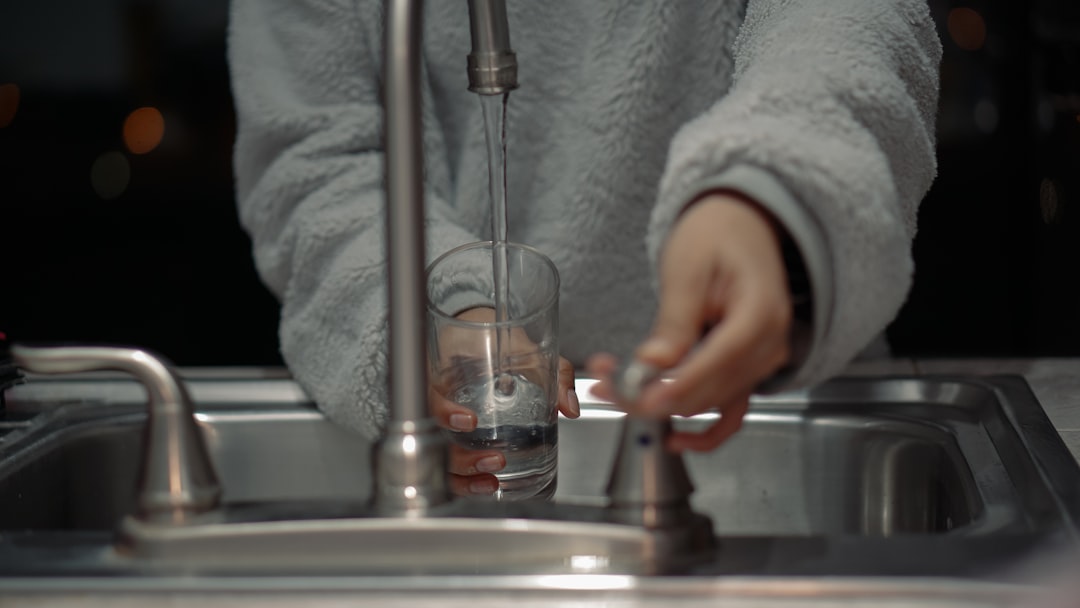
Asking what fluoride does to a child’s brain used to get you a tinfoil hat. On August 3, 2026, it got a docket number. The EPA released its Protocol for Developing the Fluoride Human Health Toxicity Assessment, the official roadmap for an expedited scientific review of fluoride in America’s drinking water. Read what the agency says the review will examine: neurodevelopmental effects in children, including possible impacts on IQ, along with dental fluorosis, the mottling of teeth that comes from too much fluoride too young. Their words, not ours. The agency will run a dose-response analysis, publish a draft assessment, and open it to public comment. HHS Secretary Robert F. Kennedy Jr. put the stakes plainly: parents deserve “not assumptions, not politics, but rigorous science.”
Stop and sit with that for a moment. The federal limit on fluoride, 4.0 milligrams per liter, was not scheduled for a full review until 2030. The question was closed. The science was “settled.” Now the review has been moved up 4 years and stamped urgent. Settled things do not get expedited reviews.
How a Closed Question Reopened
This did not come from nowhere. In 2024, the National Toxicology Program, a federal research body, reviewed the world’s studies and concluded with moderate confidence that higher fluoride exposure, above 1.5 milligrams per liter, is associated with lower IQ in children. That is roughly twice the 0.7 milligrams per liter added to most American tap water, so the finding did not condemn the practice. It did something quieter and more important: it made the question respectable. Then a federal court looked at the same evidence and ordered the EPA to respond to the risk. States moved on their own. Utah banned fluoride in public water. Florida followed. And now the EPA itself has published the protocol for finding the real line.
Notice the pattern, because it is the whole story of this site. A concern gets raised by ordinary people. The institutions wave it off as fringe. The people who keep asking get mocked, sometimes for decades. And then, slowly, with no apology and no press conference admitting it, the question walks in the front door wearing a federal badge. It happened with trans fats. It happened with cigarettes. It is happening now with food dyes and seed oils. The lesson is not that the fringe is always right. It is not. The lesson is that “settled” is a word institutions use about questions they have stopped asking, not questions that have actually been answered.
What This Is Not
Be clear about what this review is and is not, because honesty is the whole game. It is not proof that fluoride at current levels harms anyone. Fluoride has a real record: it cut childhood cavities dramatically in the era before fluoride toothpaste, and the dentists and public health workers who defend it are defending something that visibly worked. They are not villains and they are not fools. Anyone who tells you the case is closed in the other direction, that fluoride is definitely poisoning every glass, is doing the same thing the institutions did: closing a question that is still open.
What the review proves is something else. The question was always legitimate. The dose was always the issue. Water is the one substance every person in the country consumes every day, and the difference between a helpful trace and a harmful load is exactly what a dose-response analysis exists to find. That analysis is only now, in 2026, being run at full federal priority. You were never crazy for wanting to know the answer first.
The Temple Runs on Water
This site holds one premise: the body is a temple, and what flows into it either keeps it whole or quietly takes it apart. Water is the temple’s first input. It touches every cell, every gland, every signal. A body is mostly water the way a cathedral is mostly stone. Whatever rides in with it gets built into the walls.
The traditions add a stranger detail worth holding loosely. Research indicates fluoride accumulates in the pineal gland, a small light-sensing gland deep in the brain that calcifies with age, and the old traditions singled out that same gland as the seat of inner vision. What if the substance we poured into the water supply for 80 years happens to collect in the one organ the ancients told us to guard? The model proposes no verdict here. The federal review is about IQ, not the pineal. But a temple keeper does not wait for the inspector’s report to care what settles in the inner room. A body kept clear is a body kept coherent, every system speaking to every other without static, and clear water is the cheapest coherence there is.
Do Not Wait for the Verdict
Here is the part that matters tonight, while the scientists argue. You were never required to wait for permission to know what is in your own water. Every water district in America publishes an annual quality report, and yours is a 5-minute search away: your city’s name plus “consumer confidence report.” It lists what is in your tap and at what level, fluoride included. Read it. Compare the number to the 0.7 target and the 1.5 the researchers flagged. Then decide, for your own household, what you want to do about it. A filter that removes fluoride is not a political statement. Drinking the tap as it comes is not surrender. Both are choices, and the whole point is that the choice is yours to make with open eyes.
The review will take months. The comment period will be public, which means for once the door is open and your voice is invited. Walk through it if you want. But your kitchen does not run on federal time. The person responsible for what your family swallows tonight is the same person it has always been. Not the agency. Not the critics. You. And a household that reads its own water report raises children who assume questions are allowed, which is how every closed question gets reopened. The full map for keeping the temple whole is laid out in Master Thyself by Alex Wolfram.