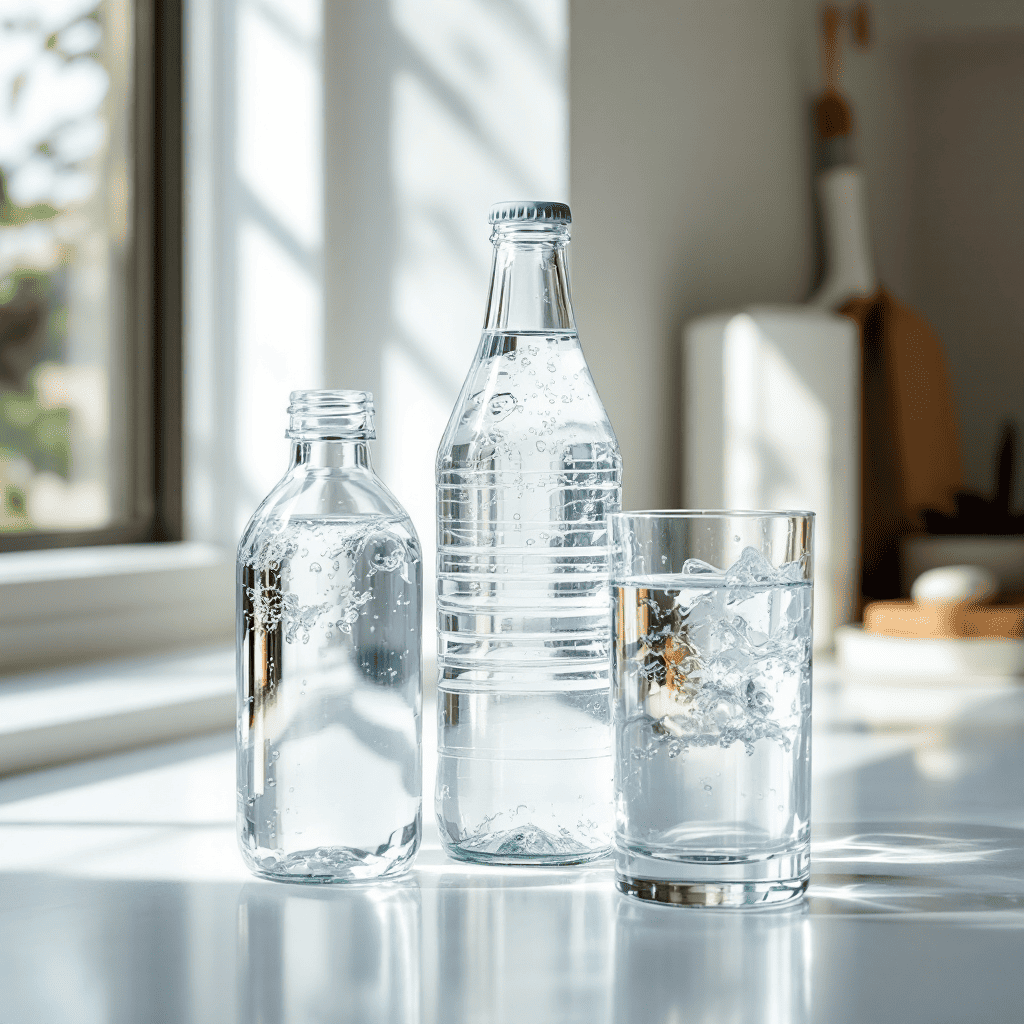
Does bottled water have fluoride? The short answer is yes, many bottled water brands contain fluoride, though the levels vary widely depending on the source and whether the manufacturer adds it deliberately. Some brands pull water from municipal sources that are already fluoridated. Others use spring or purified water with naturally occurring fluoride. A few add it back after filtration. The industry isn’t required to disclose fluoride content on the label unless it exceeds specific thresholds, which means you’re often drinking it without knowing.
What most people don’t realize is that switching from tap water to bottled water doesn’t automatically eliminate fluoride exposure. In many cases, it simply shifts the source while maintaining the same chemical burden. Understanding which brands contain fluoride, why it’s there, and what it does to your body is the first step toward reclaiming control over what you consume.
Why Fluoride Is in Bottled Water
Fluoride enters bottled water through three primary pathways. The first is natural occurrence. Groundwater and spring water can contain fluoride that leaches from rocks and soil. The second is municipal sourcing. Brands like Aquafina and Dasani use treated tap water as their base, and if that tap water is fluoridated, the fluoride carries over unless the purification process removes it. The third pathway is intentional addition. Some manufacturers add fluoride back into purified water, marketing it as beneficial for dental health.
The FDA allows bottled water to contain up to 0.7 parts per million of fluoride without special labeling. According to water fluoridation standards, this mirrors the level used in public water systems across the United States. Only when fluoride levels exceed 2.4 ppm does the label need to state that the product is unsuitable for children. That gap leaves a wide range where fluoride is present but invisible to the consumer.
The original justification for water fluoridation, introduced in 1945, was to reduce tooth decay in children. What that narrative leaves out is where fluoride actually comes from. It’s a toxic byproduct of aluminum refining and phosphate fertilizer manufacturing. Reframing industrial waste as a public health additive solved two problems at once: it reduced corporate liability and created a revenue stream from a substance that would otherwise cost money to dispose of. The story repeated itself in bottled water. What began as a contaminant or naturally occurring mineral became a marketable feature.
Which Bottled Water Brands Contain Fluoride
Not all bottled water is created equal. Fluoride content varies dramatically by brand and source type. Purified water brands that source from municipal supplies, such as Aquafina and Dasani, typically contain trace fluoride unless reverse osmosis or distillation removes it during processing. Spring water brands like Arrowhead, Deer Park, and Ice Mountain may contain naturally occurring fluoride depending on the geological source of the spring.
Brands that specifically market fluoride-free or low-fluoride water include Fiji, Evian, and Volvic. These are sourced from protected aquifers or glacial sources with minimal fluoride contamination. Distilled and reverse osmosis purified waters also tend to have fluoride levels near zero, as both processes effectively remove it. However, some brands then add minerals back, and fluoride can return during that step.
The safest approach is to contact the manufacturer directly or check independent testing databases. The Environmental Working Group maintains a tap water database that includes some bottled water brands. Testing services like SimpleLab offer at-home water testing kits that measure fluoride content with laboratory precision. Without testing or disclosure, you’re left guessing what’s actually in the bottle.
What Fluoride Does Inside Your Body
Fluoride doesn’t stay in your mouth. It crosses the blood-brain barrier, accumulates in bone tissue, and concentrates in the pineal gland at levels higher than any other soft tissue in the body. Research by Dr. Jennifer Luke in the 1990s showed that the pineal gland’s internal calcite crystals absorb fluoride at concentrations exceeding both teeth and bone. Those crystals interfere with melatonin production, the hormone that regulates your circadian rhythm, sleep quality, and the function of every other gland in the endocrine system.
Calcify the pineal, and the effects ripple outward. Melatonin suppression disrupts sleep cycles. The thyroid, already sensitive to halides like fluoride, becomes less efficient at producing hormones that govern metabolism and energy. Reproductive hormones lose their timing. The adrenal glands, which rely on circadian cues to release cortisol, fall out of rhythm. The entire endocrine network, mirrored by the body’s energy centers, degrades from a single accumulated toxin. This isn’t abstract spirituality. It’s endocrinology.
Chronic fluoride exposure has been linked to lowered IQ in children, increased rates of ADHD, thyroid dysfunction, and skeletal fluorosis, a painful bone disease caused by fluoride accumulation. A 2023 meta-analysis found that over 60 percent of the general population shows measurable pineal calcification. The sources are everywhere: municipal water, toothpaste, certain teas, non-stick cookware, and yes, bottled water. Individually, each source is defended as harmless in small amounts. Collectively, they form a chemical siege on the organ many traditions considered the seat of the soul.
Understanding how this damage accumulates and which foods and chemicals accelerate it is part of the larger framework explored at this site documenting how the modern food system undermines human vitality. The body is a temple. What you put into it determines whether that temple stands clear or collapses under accumulated toxins.
How to Avoid Fluoride in Bottled Water
Avoiding fluoride in bottled water requires more than switching brands. It requires understanding filtration methods, reading between the marketing lines, and sometimes testing the water yourself. The most reliable bottled waters are those processed through reverse osmosis or distillation, both of which remove fluoride effectively. Brands that explicitly state these processes on the label are safer bets than those using carbon filtration alone, which does not remove fluoride.
Spring water can be fluoride-free, but only if the source itself is low in fluoride. Geography matters. Springs in volcanic or mineral-rich areas often have higher naturally occurring fluoride. Brands sourced from glacial melt or protected aquifers in low-fluoride regions, such as Fiji or Iceland, tend to have negligible levels. If the label doesn’t specify the source or the fluoride content, assume it’s present.
The most reliable long-term solution is home filtration. A reverse osmosis system removes up to 95 percent of fluoride from tap water, along with heavy metals, pesticides, and pharmaceutical residues. Activated alumina filters also target fluoride specifically. Distillation units remove nearly all dissolved solids, including fluoride, though the process is slower and energy-intensive. Carbon filters, including most pitcher-style and refrigerator filters, do not remove fluoride. They improve taste and remove chlorine, but fluoride passes straight through.
If bottled water remains your primary option, choose brands that publish third-party lab results or contact customer service to request fluoride testing data. The complete framework for detoxifying the body and restoring pineal function includes protocols that go far beyond water choice, but water is the foundation. You can’t build clarity on a polluted base.
The Marketing Illusion of Purity
Bottled water is sold as purity. The labels feature glaciers, mountain springs, and pristine wilderness. The reality is less inspiring. Many bottled water brands are simply filtered tap water repackaged in plastic at a markup of up to 2,000 percent. The plastic itself leaches endocrine disruptors like BPA, BPS, and phthalates, especially when exposed to heat or sunlight. Even BPA-free bottles often contain alternative bisphenols that behave identically in the body.
The illusion of purity serves a purpose. It keeps consumers paying for a product they could filter at home for a fraction of the cost, while maintaining the same fluoride exposure they were trying to escape. The bottled water industry is projected to exceed $500 billion globally by 2030. That growth is built on the perception of safety, not the reality of it. When safety claims aren’t backed by transparent testing and disclosure, the perception is the product.
Every toxin discussed here, fluoride, plastics, and the chemicals that coat the inside of bottles, works synergistically to disrupt the same biological systems. The pineal gland calcifies. The thyroid slows. The gut microbiome, which produces up to 90 percent of the body’s serotonin, becomes inflamed and dysregulated. The result is a population that feels tired, distracted, and disconnected, not because of personal failure, but because the chemistry running their biology has been systematically degraded.
This extends beyond water. The modern diet is engineered to deliver low-frequency inputs that keep the body in a state of metabolic stress. Glyphosate residues disrupt the gut. Seed oils oxidize in the brain. Refined sugar destabilizes blood glucose. Fluoride calcifies the glands. The cumulative effect is a system under constant assault, and much of it enters through the mouth. Understanding the timing cycles that govern when the body can best detoxify and reset becomes critical when the baseline environment is this contaminated.
What Fluoride Does to Children
Children are more vulnerable to fluoride than adults. Their developing brains, smaller body mass, and higher fluid intake relative to body weight mean they absorb proportionally more fluoride from the same source. Studies have linked early fluoride exposure to reduced IQ, increased rates of ADHD, and impaired executive function. A 2019 study published in JAMA Pediatrics found that pregnant women with higher fluoride exposure gave birth to children with measurably lower IQ scores.
The mechanism is straightforward. Fluoride is a neurotoxin. It disrupts calcium signaling in neurons, interferes with enzyme function, and increases oxidative stress in brain tissue. In children, whose brains are undergoing rapid development and pruning, these disruptions have long-term consequences. The damage isn’t always visible in childhood. It shows up later as difficulty with focus, emotional regulation, and learning.
Parents who give their children bottled water believing it’s safer than tap water may be delivering the same neurotoxic load in a different package. Baby formula mixed with fluoridated water concentrates the exposure even further. Infant kidneys are less efficient at clearing fluoride, and their developing endocrine systems are more sensitive to disruption. The American Dental Association quietly updated its guidelines in 2006, advising parents to avoid using fluoridated water for infant formula. That recommendation received little public attention and remains unknown to most caregivers.
The timing of fluoride exposure matters as much as the dose. The window from conception through age three is when the brain’s foundational architecture is built. Disruptions during this period are not easily reversed. Protecting children from fluoride isn’t about perfection. It’s about reducing cumulative exposure during the most vulnerable developmental windows. Choosing fluoride-free bottled water, filtering tap water, and avoiding fluoride toothpaste for children under two are simple, actionable steps that carry measurable benefit.
The Pineal Gland and the Seat of Perception
The pineal gland is a pea-sized organ deep in the brain, sitting outside the blood-brain barrier and directly exposed to whatever circulates in the bloodstream. It produces melatonin, regulates the circadian rhythm, and governs the timing of every other gland in the body. When it calcifies, the entire endocrine system loses its conductor. Sleep degrades. Hormonal cycles drift. The body’s ability to repair itself at night diminishes.
Fluoride is one of the primary drivers of pineal calcification, but it doesn’t act alone. Calcium supplementation without sufficient vitamin K2 and D3, heavy metals like mercury and lead, bromide from commercial baked goods, chlorine from unfiltered tap water, and the oxidative stress caused by seed oils and fried foods all contribute. The pineal accumulates these insults over decades. By middle age, many people’s pineal glands are more calcified tissue than functioning organ.
Traditions across the world have referred to the pineal as the third eye, the seat of intuition, the gateway to higher perception. Modern science dismissed this as mysticism until imaging technology revealed that the pineal contains photoreceptive cells structurally similar to those in the retina. It responds to light, even though it sits in total darkness inside the skull. The mechanism is still debated, but the function is clear: the pineal translates environmental light cycles into hormonal signals that organize the body’s internal time.
When that gland calcifies, the signal dims. Intuition becomes harder to access. Sleep becomes fragmented. The sense of being connected to something larger fades. This isn’t poetic language. It’s the predictable result of a damaged gland. Whether you approach the pineal from a spiritual or scientific perspective, the conclusion is the same: protecting it is non-negotiable. The biological mechanism behind cerebrospinal fluid and pineal activation depends on a gland that’s still functional. Calcification shuts the system down before it ever begins.
Restoring pineal function requires removing the sources of calcification and introducing practices that support decalcification. The specific protocol involves REDACTED, READ CHAPTER 22, including the exact foods, supplements, timing windows, and complementary practices that reverse calcification and reactivate the gland’s natural function. The full protocol is detailed in Chapter 22 of Master Thyself.
Testing Your Water
If you want to know whether your bottled water contains fluoride, the most reliable method is independent laboratory testing. At-home test strips exist, but their accuracy is inconsistent, especially at the low concentrations typical in bottled water. Professional lab testing, available through services like SimpleLab, Tap Score, or your local health department, provides precise measurements of fluoride along with other contaminants like lead, arsenic, nitrates, and microplastics.
Most testing services require you to collect a sample, ship it to the lab, and wait several days for results. The cost ranges from $50 to $150 depending on the panel of contaminants tested. For families drinking bottled water daily, this one-time investment answers the question definitively. Once you know which brands are clean, you can make informed choices without guessing.
If lab testing isn’t immediately accessible, start by contacting the bottled water manufacturer. Request a water quality report or certificate of analysis. Reputable brands maintain these documents and provide them on request. If a company refuses or claims the information is proprietary, that’s a red flag. Transparency in water quality is a baseline expectation, not a luxury feature.
For tap water, the Environmental Working Group’s Tap Water Database offers free access to testing data from utilities across the United States. Enter your zip code, and the database shows contaminant levels including fluoride, lead, and disinfection byproducts. The data comes from mandatory utility reports, though it may be several months old. For real-time accuracy, test your water yourself.
Testing reveals not only fluoride but the full spectrum of what’s entering your body. Nitrates from agricultural runoff, heavy metals from aging pipes, pharmaceutical residues that municipal treatment doesn’t remove, and microplastics that leach from distribution systems all show up in lab results. Knowing what’s in your water is the first step. Filtering it is the second. The third step involves the broader detox practices that address REDACTED, READ CHAPTER 15, the cumulative burden already stored in tissue. The full detox framework is detailed in Chapter 15 of Master Thyself.
Alternatives to Bottled Water
The best alternative to bottled water is filtered tap water stored in glass or stainless steel. A quality reverse osmosis system removes fluoride, heavy metals, pesticides, and pharmaceutical residues, delivering water cleaner than most bottled brands at a fraction of the cost. The upfront investment ranges from $200 for countertop units to $500 for under-sink systems, but the per-gallon cost drops to pennies once installed.
Distillation units offer another option. They remove nearly all dissolved solids, including fluoride, by boiling water and condensing the steam. The process is slower and uses more energy than reverse osmosis, but the result is exceptionally pure water. The downside is that distillation also removes beneficial minerals like calcium and magnesium. Some users add a pinch of sea salt or a mineral drop solution to restore trace elements.
Activated alumina filters target fluoride specifically and are often used in combination with carbon filters to remove chlorine, sediment, and organic contaminants. These filters require periodic replacement and work best when fluoride levels are moderate. For high-fluoride water, reverse osmosis or distillation is more effective.
Whichever system you choose, store filtered water in glass or stainless steel containers. Plastic bottles, even those labeled BPA-free, leach endocrine-disrupting chemicals, especially when exposed to heat or sunlight. The chemicals migrate into the water and behave like estrogen in the body, contributing to hormonal imbalance, early puberty in children, and increased cancer risk in adults. Glass is inert. It doesn’t leach. It doesn’t degrade. It’s the safest long-term storage material for water.
For those without access to home filtration, seek out refill stations that use reverse osmosis or distilled water. Many health food stores and water specialty shops offer filtered water by the gallon at prices far lower than bottled brands. Bring your own glass containers, fill them on-site, and avoid both the plastic waste and the fluoride exposure that comes with commercial bottled water.
The Bigger Picture
Fluoride in bottled water is one thread in a much larger pattern. The modern environment is saturated with endocrine disruptors, neurotoxins, and metabolic stressors, many of them deliberately introduced, others opportunistically monetized. Fluoride calcifies the pineal. Glyphosate disrupts the gut. Seed oils oxidize in the brain. Plastics mimic estrogen. Processed sugar destabilizes blood glucose. Each exposure is individually small. Together, they create a biochemical environment hostile to clarity, vitality, and higher states of awareness.
The system doesn’t need to silence you if it can fog you. It doesn’t need to imprison you if it can distract you. A population that’s tired, inflamed, and hormonally disrupted is far easier to steer than one that’s awake, energized, and thinking clearly. The assault on the body is also an assault on consciousness. Every toxin that calcifies a gland, disrupts a hormone, or oxidizes a neuron makes awakening that much harder.
Understanding this pattern changes the equation. You stop seeing food, water, and environmental exposure as isolated health choices and start seeing them as the foundation of your entire operating system. The body is the instrument through which you perceive reality. When the instrument is compromised, perception narrows. When the instrument is clear, perception expands. The difference between those two states often comes down to what you put in your mouth several times a day, every day, for years.
Reclaiming sovereignty over your biology begins with the smallest choices. Filtering your water. Choosing glass over plastic. Reading labels. Testing what you consume. These aren’t grand gestures. They’re the daily maintenance required to keep the temple standing. The practices that restore what’s already been damaged, REDACTED, READ CHAPTER 22, the exact timing cycles, the specific supplements, the foods that decalcify and the ones that accelerate damage, are detailed in full in Master Thyself. This article gives you the map. The book gives you the route.
What You Can Do Right Now
Does bottled water have fluoride? Most of it does. But that doesn’t mean you’re stuck with it. Start by identifying which brands you currently drink and contact the manufacturer for fluoride testing data. If they won’t provide it, switch brands. Choose water processed through reverse osmosis or distillation, or sourced from low-fluoride springs in regions with minimal geological contamination.
If you’re still relying on bottled water long-term, consider installing a home filtration system. The upfront cost pays for itself within months, and the reduction in plastic waste alone justifies the switch. Filter your tap water, store it in glass, and eliminate one of the largest sources of daily fluoride exposure in a single step.
For children, the stakes are higher. Avoid using fluoridated water for infant formula. Choose fluoride-free toothpaste for kids under six. Reduce cumulative exposure during the developmental windows when the brain and endocrine system are most vulnerable. Small changes in early childhood carry benefits that compound over a lifetime.
Beyond water, examine the other sources of fluoride in your environment. Switch to fluoride-free toothpaste. Avoid non-stick cookware. Choose organic tea brands that test for fluoride content. Reduce or eliminate fried and processed foods that contribute to oxidative stress and pineal calcification. Every reduction in toxic load creates space for the body to repair.
The deeper work involves the practices that reverse calcification and restore glandular function. The timing of those practices, the supplements that support them, the dietary shifts that accelerate results, and the specific protocols used by traditions that guarded this knowledge for centuries are all mapped in REDACTED, READ CHAPTER 22. You can’t purify what you don’t measure. You can’t restore what you don’t protect. Start with the water. The rest follows.
Closing Reflection
Water is life. It makes up roughly 70 percent of your body, the same percentage that covers the Earth. Every cell, every gland, every thought depends on it. What you put into that water determines what your biology becomes. Fluoride, plastics, heavy metals, and pharmaceutical residues aren’t abstract concerns. They’re measurable chemicals with documented effects on the brain, the endocrine system, and the clarity of consciousness itself.
The question isn’t whether bottled water is convenient. The question is whether it’s clean. Most of the time, the answer is no. The solution isn’t complicated. Filter your water. Test your sources. Store it in glass. Protect your children. Guard the glands that govern your perception. These aren’t optional steps for people interested in health. They’re baseline requirements for anyone serious about maintaining clarity in a system designed to erode it.
You were told fluoride strengthens teeth. It calcifies the pineal. You were sold bottled water as purity. It’s often just repackaged tap water in endocrine-disrupting plastic. The lies aren’t new. The evidence contradicting them isn’t hidden. The gap between what you were told and what is true has always been there. The question is whether you’ll keep drinking from the same poisoned well, or whether you’ll take the small, consistent steps required to filter it.
The temple is yours to protect. Start with the water. Everything else builds from there.