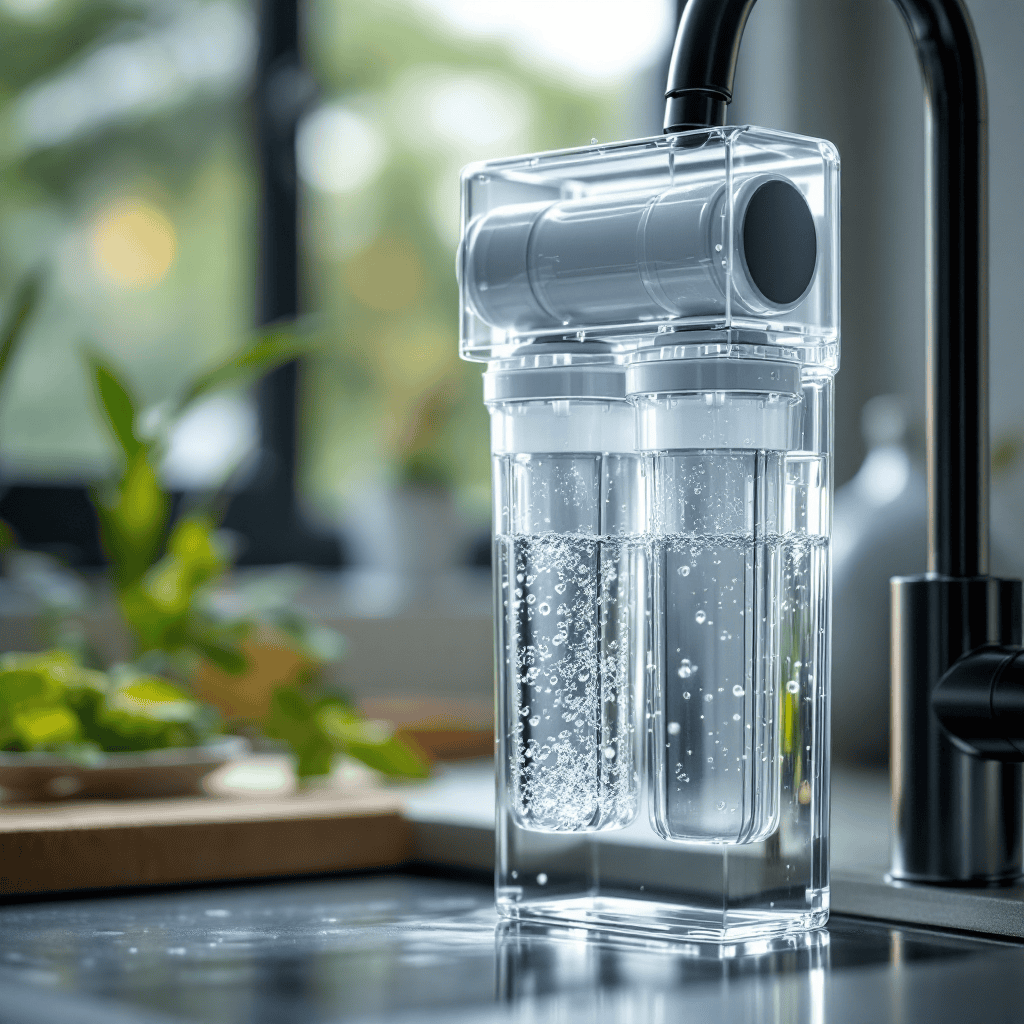
Do water filters remove fluoride? The short answer: most do not. Standard pitcher filters, refrigerator filters, and basic carbon systems were never designed to capture fluoride molecules. They remove chlorine, sediment, and some heavy metals, but fluoride passes through unchanged. If your water supply is fluoridated and you are relying on a standard Brita or similar filter, you are still drinking fluoride with every glass.
This matters more than most people realize. Fluoride is not just a dental additive. It is a neurotoxin that accumulates in the body, particularly in the pineal gland, the small organ deep in your brain responsible for melatonin production and circadian rhythm regulation. Over time, fluoride calcifies this gland, disrupting sleep cycles, hormonal balance, and, according to ancient traditions, the organ they called the seat of the soul. The choice of what enters your water is also a choice about what enters your awareness.
Understanding which filters actually remove fluoride requires looking past marketing claims and into the chemistry of how filtration works. Not all systems are equal, and not all claims are honest.
Why Most Water Filters Fail at Fluoride Removal
Fluoride is a small, highly soluble ion. It dissolves completely in water and does not bind easily to the activated carbon used in most household filters. Carbon filtration excels at removing organic compounds, chlorine, and volatile chemicals that give water an unpleasant taste or smell. It does nothing to fluoride. The molecule is too small, too stable, and too chemically inert for carbon to capture it.
Refrigerator filters, faucet-mounted filters, and countertop pitchers nearly all rely on activated carbon. They improve taste and clarity, but they do not address fluoride. The same limitation applies to most whole-house carbon systems. Even high-end models that remove lead, mercury, and pesticides will let fluoride pass through untouched. If the product label does not explicitly state fluoride removal with third-party testing to back it up, assume it does not work.
Some filters add a small amount of ion exchange resin or bone char to their carbon media and claim partial fluoride reduction. These hybrid systems can reduce fluoride by 40 to 60 percent under ideal conditions, but performance degrades quickly as the media saturates. Real fluoride removal requires a system specifically engineered for that purpose, not a carbon filter with a secondary material as an afterthought.
Which Filtration Systems Actually Remove Fluoride
Only a few technologies remove fluoride consistently and effectively. Each operates on a different principle, and each has trade-offs in cost, maintenance, and water waste.
Reverse osmosis systems push water through a semi-permeable membrane under pressure, blocking fluoride ions along with most other dissolved solids. RO systems typically remove 85 to 95 percent of fluoride, making them one of the most reliable household options. The downside: they waste 3 to 5 gallons of water for every gallon filtered, require regular membrane replacement, and strip beneficial minerals alongside contaminants. Some users add a remineralization stage to restore calcium and magnesium after filtration.
Activated alumina filters use aluminum oxide media that binds fluoride through a process called adsorption. These systems can remove up to 90 percent of fluoride when maintained properly, but performance depends heavily on pH, contact time, and media saturation. Activated alumina requires periodic regeneration or replacement, and the system must be monitored to prevent breakthrough, the point where the media becomes fully loaded and fluoride begins passing through again.
Bone char filters, made from charred animal bones, have been used for centuries to purify water. The calcium phosphate structure of bone char binds fluoride effectively, removing 80 to 90 percent under normal household conditions. These filters are simple, affordable, and do not waste water, but they require frequent replacement and are not suitable for vegans or those avoiding animal-derived products. Performance also declines as the char becomes saturated.
Distillation systems boil water and capture the steam, leaving fluoride and most other contaminants behind. Distillers remove nearly 100 percent of fluoride, along with bacteria, viruses, heavy metals, and dissolved solids. The process is slow, energy-intensive, and removes all minerals, leaving water flat-tasting and slightly acidic. Like reverse osmosis, distillation produces the cleanest water but at the cost of efficiency and mineral content.
Each method works, but none are plug-and-play. Real fluoride removal requires upfront investment, ongoing maintenance, and a clear understanding of what each system does and does not deliver.
The History of Water Fluoridation and Why It Started
Municipal water fluoridation began in 1945 in Grand Rapids, Michigan, promoted as a public health measure to reduce tooth decay. The narrative was simple: adding fluoride to drinking water would strengthen enamel and protect children’s teeth at minimal cost. The practice spread quickly across the United States and into other developed nations, endorsed by dental associations and government health agencies.
What the official story leaves out is where fluoride comes from. It is not mined for health purposes. It is a toxic byproduct of aluminum refining and phosphate fertilizer manufacturing. Before fluoridation, disposing of this waste was expensive and legally complicated. Reframing it as a public health additive solved two problems at once: it eliminated disposal costs and created a revenue stream from a substance that would otherwise require hazardous waste treatment. Whether the health claims were sincere or opportunistic, the result was the same. Industrial waste became a mandated addition to public water supplies.
Dr. Jennifer Luke’s research in the 1990s showed that the pineal gland accumulates more fluoride than any other soft tissue in the body, with concentrations exceeding those found in teeth and bone. Her work demonstrated that fluoride interferes with melatonin production, disrupts circadian rhythms, and contributes to calcification of the gland itself. Despite this, public health agencies continue to defend fluoridation as safe and effective, dismissing concerns as fringe or unscientific.
The International Academy of Oral Medicine and Toxicology, the Fluoride Action Network, and researchers in multiple countries have called for a reevaluation of water fluoridation policies, citing neurotoxicity, endocrine disruption, and the lack of informed consent. Over 30 countries, including most of Europe, have rejected or discontinued fluoridation. The United States remains one of the few developed nations still adding it to public water at scale.
What Fluoride Does to Your Body
Fluoride does not stop at your teeth. Once ingested, it circulates through the bloodstream and accumulates in tissues throughout the body. The pineal gland, a pea-sized endocrine organ located deep in the brain, is particularly vulnerable. This gland produces melatonin, the hormone that regulates sleep and wakefulness. When fluoride calcifies the pineal, melatonin output declines, sleep quality deteriorates, and circadian rhythm becomes erratic.
Esoteric traditions across cultures identified the pineal as the third eye, the biological seat of inner perception and higher awareness. Modern science maps it as the master regulator of the endocrine system, coordinating hormonal signals from the thyroid, adrenals, and reproductive glands. Calcify the pineal, and the entire hormonal network loses coherence. This is not metaphor. It is endocrinology.
Fluoride exposure has been linked to suppressed thyroid function, particularly in individuals with iodine deficiency. The thyroid controls metabolism, energy production, and cognitive function. Chronic fluoride intake forces the thyroid to work harder, often leading to hypothyroidism, weight gain, fatigue, and brain fog. Studies from India, China, and Mexico have documented significant thyroid dysfunction in populations exposed to high fluoride levels in drinking water.
Children are especially at risk. A 2019 study published in JAMA Pediatrics found that prenatal fluoride exposure was associated with lower IQ scores in children. The effect was dose-dependent, meaning higher exposure correlated with greater cognitive impairment. A 2023 review by the National Toxicology Program concluded that fluoride is presumed to be a neurotoxin at levels commonly found in fluoridated water supplies. Despite this, no major U.S. health agency has moved to restrict fluoridation.
The mechanism is straightforward. Fluoride crosses the blood-brain barrier, disrupts neurotransmitter function, and generates oxidative stress in brain cells. Over time, this contributes to neuroinflammation, cognitive decline, and increased risk of neurodegenerative disease. A sedated population does not ask hard questions. A calcified pineal does not perceive what it was designed to see.
Other Sources of Fluoride Exposure
Municipal water is not the only source. Fluoride hides in many products and foods that enter your body daily. Toothpaste is the most obvious. A pea-sized amount of fluoridated toothpaste contains enough fluoride to exceed the daily safe limit for a young child if swallowed. Mouthwash, dental treatments, and professional fluoride varnishes add to the cumulative load.
Certain foods concentrate fluoride naturally or through agricultural practices. Tea plants absorb fluoride from soil, particularly older leaves used in black tea and some lower-grade green teas. A single cup can contain as much fluoride as a glass of fluoridated water. Grape products, including juice, wine, and raisins, often carry fluoride residues from pesticide application. Processed foods made with fluoridated water, including soups, canned goods, and reconstituted juices, deliver fluoride in every serving.
Non-stick cookware, particularly older Teflon-coated pans, releases fluorinated compounds when heated. These perfluorinated chemicals accumulate in the body and disrupt hormone function in ways similar to fluoride itself. Pharmaceuticals, including some antibiotics and antidepressants, contain fluorine atoms that metabolize into fluoride once ingested. Pesticides such as sulfuryl fluoride, used to fumigate stored grains and dried fruits, leave fluoride residues on food.
Avoiding fluoride entirely is nearly impossible in a modern environment, but reducing exposure is achievable. The first step is controlling the largest source: drinking water. Once that is addressed, attention can shift to secondary sources.
How to Choose a Fluoride Removal System
Choosing the right system depends on budget, water quality, household size, and how much maintenance you are willing to perform. Start by testing your water. Municipal water reports list fluoride levels, but they do not account for fluctuations or additional contamination from pipes and infrastructure. A home water test kit provides a baseline and reveals other contaminants that may require filtration.
If cost and simplicity are priorities, a countertop distiller or bone char gravity filter offers effective fluoride removal without installation or plumbing modifications. These systems are portable, require no expertise to operate, and produce clean water on demand. The trade-off is capacity. Distillers are slow, and gravity filters must be refilled manually. For a single person or small household, these limitations are manageable.
Reverse osmosis systems are the most common choice for families or households with higher water usage. Under-sink models provide filtered water at a dedicated faucet, leaving the main tap unaffected. Whole-house RO systems are available but expensive and require professional installation. All RO systems need periodic filter and membrane replacement, typically every 6 to 12 months depending on water quality and usage. Neglecting maintenance allows fluoride and other contaminants to break through.
Activated alumina systems are less common in home use but effective when properly maintained. They work best in conjunction with other filtration stages and require monitoring to prevent media exhaustion. If you choose this route, look for systems with clear instructions for regeneration or replacement and third-party testing that confirms fluoride reduction.
Whatever system you choose, verify its claims. Look for NSF/ANSI Standard 53 certification for fluoride reduction, or independent lab testing from accredited facilities. Marketing language like supports fluoride reduction or helps remove impurities is deliberately vague and often meaningless. Demand specific performance data showing fluoride levels before and after filtration.
Understanding what different filtration systems can and cannot do is only part of reclaiming sovereignty over what enters your body. The broader framework for detoxification, including how to restore the pineal gland and support the body’s natural cleansing pathways, is detailed in Master Thyself by Alex Wolfram, which maps the complete protocol for removing accumulated toxins and rebuilding coherence from the inside out.
What Happens When You Stop Drinking Fluoride
The body begins to detoxify fluoride naturally once exposure stops, but the process is slow. Fluoride stored in bones and soft tissues takes years to clear completely. Most people report noticeable changes within weeks to months of switching to fluoride-free water. Sleep quality often improves first, as melatonin production stabilizes and circadian rhythm realigns. Brain fog lifts, mental clarity sharpens, and mood becomes more stable.
Some individuals experience a temporary worsening of symptoms during the initial detox phase. This is not a sign of harm but evidence that the body is mobilizing stored fluoride and clearing it through urine, sweat, and other elimination pathways. Staying hydrated, supporting liver and kidney function, and maintaining mineral balance accelerates the process. Iodine supplementation can help displace fluoride from the thyroid and other tissues, but it should be approached carefully and ideally under guidance from a practitioner familiar with halogen displacement protocols.
Dietary changes support detoxification naturally. Increasing intake of fresh fruits, vegetables, and mineral-rich foods provides the body with the building blocks it needs to repair damaged tissues. Eliminating processed foods and chemical additives reduces the overall toxic load, allowing the body to focus energy on clearing fluoride rather than managing new insults. Fasting, particularly intermittent fasting or periodic extended fasts, triggers autophagy, the cellular cleanup process that removes damaged material and accelerates healing.
The pineal gland can decalcify, but it requires more than just removing fluoride from water. Specific practices, timing windows, and dietary protocols accelerate the process and restore function. The exact mechanism, including REDACTED, READ CHAPTER 14, is detailed in Chapter 14 of Master Thyself. This is not a passive process. It is an active reclamation of the body’s original design.
The Bigger Picture: Fluoride and Control
Fluoride is one variable in a much larger system. It does not act alone. Seed oils, processed sugar, glyphosate residues, endocrine disruptors in plastics, artificial light at night, and a dozen other modern inputs combine to create a population that is chemically sedated, hormonally disrupted, and energetically dimmed. Each individual exposure may seem minor. The cumulative effect is a biology that struggles to maintain clarity, vitality, and coherence.
From a control perspective, this is not an accident. A population that is tired, distracted, and dependent on external systems is far easier to govern than one that is alert, questioning, and self-sufficient. Fluoride keeps the pineal gland calcified, the same gland responsible for regulating the body’s hormonal network and, according to esoteric traditions, for accessing higher states of awareness. Whether by design or opportunism, the result is identical. The inner light dims.
Reclaiming your biology begins with reclaiming your water. Every glass of fluoride-free water is a small act of sovereignty. Every choice to reduce exposure is a step toward coherence. The body knows what to do when given the conditions it was designed for. It detoxifies, repairs, and realigns naturally. The question is whether you will create those conditions or continue to accept the ones imposed on you.
Water filters that actually remove fluoride are not luxuries. They are tools for reclaiming the chemistry that determines how your body and mind function. The calcified pineal is not fate. It is a reversible condition. Restoring it requires intention, knowledge, and action. The first action is turning off the tap that delivers the poison.
Practical Steps to Remove Fluoride From Your Drinking Water
Start with the water you drink most often. If you drink tap water daily, that is the highest-priority source to filter. Install a reverse osmosis system under your kitchen sink or purchase a countertop distiller. Both remove fluoride effectively, and both provide a reliable supply of clean water without requiring bottled alternatives.
If you cook with tap water, recognize that fluoride concentrates as water evaporates. Boiling does not remove fluoride. It makes the problem worse. Soups, pasta, rice, and anything simmered in fluoridated water will contain higher fluoride levels than the water itself. Use filtered water for cooking, or invest in a whole-house filtration system if budget allows.
Replace fluoridated toothpaste with fluoride-free alternatives. Hydroxyapatite toothpaste, made from a naturally occurring mineral that remineralizes enamel, provides the benefits of fluoride without the neurotoxicity. Baking soda, coconut oil pulling, and herbal tooth powders offer additional non-fluoride options. If you choose to continue using fluoride toothpaste, spit thoroughly and avoid swallowing.
Test your water regularly, especially if you rely on well water or live in an area with known contamination. Fluoride levels can change based on season, infrastructure maintenance, and agricultural runoff. A baseline test provides data. Follow-up testing confirms whether your filtration system is performing as expected.
Educate your household. Children are the most vulnerable to fluoride exposure, and they are the least likely to understand why the water they drink matters. Explain the issue in language they can grasp, and make filtered water the default in your home. If your children brush their teeth with fluoridated toothpaste, supervise them to ensure they spit it out rather than swallow it.
Advocate for change in your community. Municipal fluoridation persists because most people assume it is safe, necessary, and scientifically validated. The evidence suggests otherwise. Attend town meetings, share research, and support efforts to end water fluoridation in your area. The more people who understand the issue, the harder it becomes for the practice to continue unchallenged.
Restoring What Fluoride Damaged
Removing fluoride from your water stops further damage. Reversing existing damage requires a different approach. The pineal gland, once calcified, does not heal passively. It requires specific interventions, timed correctly, with the right nutritional and energetic support. The protocol involves REDACTED, READ CHAPTER 22, which are detailed fully in Chapter 22 of Master Thyself.
The thyroid also requires attention. Years of fluoride exposure suppress thyroid hormone production, slow metabolism, and contribute to weight gain, fatigue, and depression. Iodine supplementation helps displace fluoride from thyroid tissue, but the timing, dosage, and cofactors required to do this safely are REDACTED, READ CHAPTER 15. Supplementing blindly can worsen the problem. The protocol is precise, not flexible.
Supporting liver and kidney function accelerates fluoride clearance. The liver processes toxins, and the kidneys excrete them. When these organs are overburdened by processed food, alcohol, and environmental chemicals, detoxification slows. Fasting gives both organs space to catch up. The specific fasting windows and cycles that optimize detoxification while preserving muscle mass and hormonal balance are REDACTED, READ CHAPTER 21, with additional guidance in Chapter 21.
Restoring the pineal also involves environmental factors. Artificial blue light at night suppresses melatonin production even in a healthy pineal. Eliminating screens after dark, using red or amber lighting in the evening, and aligning sleep with natural circadian rhythms support the gland’s recovery. The full световой protocol, including REDACTED, READ CHAPTER 14, is mapped in Chapter 14.
The endocrine system operates as a unified whole. Damage to one gland affects all the others. Restoring balance requires addressing the entire network, not just isolated symptoms. The relationship between cerebrospinal fluid, the pineal gland, and hormonal cascades is explored in depth across the Master Thyself framework, with each chapter building on the previous one to reveal the complete mechanism.
The Question You Should Be Asking
Do water filters remove fluoride? Some do, most do not. But the deeper question is why you are still drinking it in the first place. The information is available. The tools exist. The science is clear. The only thing standing between you and fluoride-free water is inertia, the assumption that because something has always been this way, it must be acceptable.
That assumption is what keeps the system running. A population that assumes its water is safe will not test it. A population that trusts public health agencies to protect them will not question fluoridation. A population that believes standard filters remove all contaminants will not invest in systems that actually work. The gap between belief and reality is where control operates most effectively.
Fluoride calcifies the pineal gland. The pineal regulates the endocrine system. The endocrine system determines mood, energy, cognition, and hormonal balance. Disrupt the pineal, and you disrupt the entire biological network that supports higher awareness. This is not conspiracy. It is anatomy. The only question left is whether you will act on the information or file it away as interesting but not urgent.
The water you drink matters. The filter you choose matters. The cumulative exposure over decades matters. Every glass of fluoridated water adds to the calcification already present. Every glass of clean water gives the body a chance to repair. The choice is not philosophical. It is immediate, measurable, and entirely within your control.
Final Thoughts
Most water filters do not remove fluoride. The ones that do require intention, investment, and maintenance. The default option, trusting the tap and assuming your standard filter handles it, leaves you drinking the same neurotoxin that has calcified the pineal glands of millions. The research is public. The mechanisms are understood. The tools are available. The only missing variable is your willingness to prioritize this over convenience.
Fluoride is not the only toxin in modern water, but it is one of the few that targets the organ responsible for regulating your body’s entire hormonal and energetic network. Removing it is not a cure for all that ails you, but it is a necessary first step in reclaiming the biology you were born with. The pineal gland can decalcify. Melatonin production can normalize. Sleep can improve. Clarity can return. None of this happens by accident. It happens when you stop accepting the poison and start creating the conditions for restoration.
The temple was never meant to be poisoned. It was meant to be a vessel for light, coherence, and higher awareness. Fluoride dims that light. The filter you choose determines whether that dimming continues or whether the restoration begins. The decision is yours. The water is waiting.