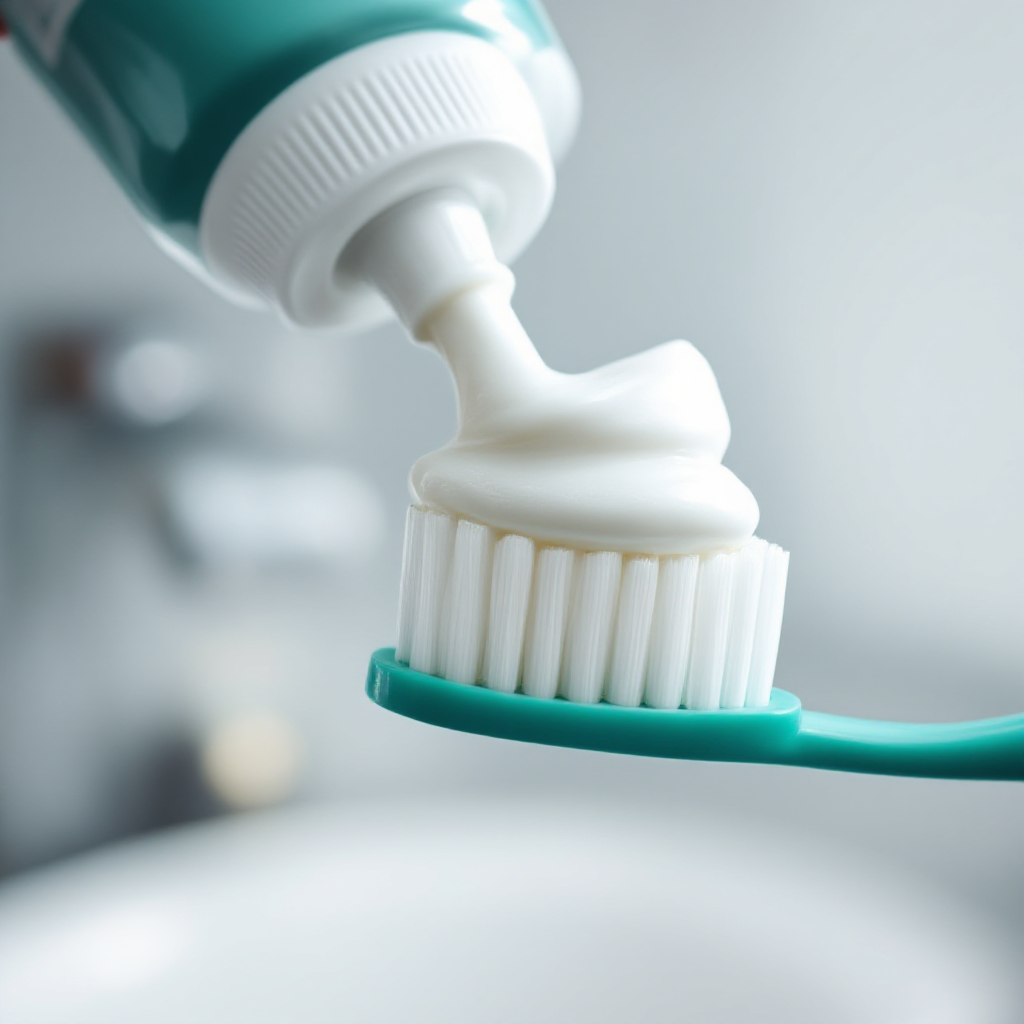
Is fluoride toothpaste bad for you? The question matters more than most people realize. Fluoride has been marketed as essential for dental health since the 1950s, appearing in toothpaste, mouthwash, and municipal water supplies. Public health agencies call it safe and effective. The research tells a more complicated story. Fluoride is a neurotoxin that crosses the blood-brain barrier, accumulates in the pineal gland at levels higher than bone or teeth, and disrupts the endocrine system that governs mood, sleep, and awareness.
This isn’t fringe science. It’s peer-reviewed neurobiology that most people never see because the narrative was set decades ago by industrial lobbying, not by independent research. Understanding what fluoride actually does in your body is the first step toward making an informed choice about whether it belongs in your daily routine.
What Fluoride Actually Does in Your Body
Fluoride is not a nutrient. The human body does not require it for any biological function. It is added to oral care products because it hardens tooth enamel by replacing hydroxyl groups in hydroxyapatite crystals, creating fluorapatite. This makes enamel more resistant to acid erosion from bacteria. On the surface, that sounds beneficial. The problem is what happens when fluoride enters the bloodstream.
Every time you brush, a portion of fluoride is absorbed through the mucous membranes of your mouth and swallowed. Children swallow even more. Once in the bloodstream, fluoride does not stay in your teeth. It travels throughout the body, accumulating in bones, soft tissues, and most significantly, the pineal gland. According to fluoride toxicity research, chronic exposure has been linked to skeletal fluorosis, thyroid suppression, and neurological effects in both animal and human studies.
The pineal gland sits deep in the brain, outside the blood-brain barrier, making it uniquely vulnerable to circulating toxins. In the 1990s, Dr. Jennifer Luke of the University of Surrey discovered that the pineal gland accumulates more fluoride than any other soft tissue in the body. The internal calcite crystals within the gland concentrate fluoride at levels exceeding both bone and teeth. That calcification interferes with melatonin production, the hormone that regulates your sleep-wake cycle, and disrupts the gland’s role in coordinating the entire endocrine system.
Melatonin isn’t just about sleep. It governs circadian rhythm, which controls when every other gland in your body activates: cortisol from the adrenals, thyroid hormone, reproductive hormones, growth hormone, and immune signaling. When the pineal gland calcifies, the downstream effects ripple through your entire hormonal network. Disrupted sleep, mood instability, weakened immunity, and metabolic dysfunction all trace back to the same source. The system designed to keep you in balance becomes the system under siege.
The Industrial Origins of Fluoridation
Fluoride didn’t enter public health policy because scientists discovered a nutritional deficiency. It entered because industries needed a way to dispose of a toxic byproduct. Fluoride is a waste product of aluminum refining and phosphate fertilizer manufacturing. Before water fluoridation began in 1945, companies faced expensive disposal costs and liability for releasing fluoride into the environment. Reframing it as a public health benefit solved two problems at once: it reduced corporate liability and created a revenue stream from a substance that would otherwise cost money to eliminate.
The early studies supporting fluoridation were funded by the industries producing it. The narrative was set before independent research could challenge it. Decades later, that narrative remains entrenched in public health messaging, even as mounting evidence shows fluoride’s neurotoxic effects. The convenience of turning waste into profit doesn’t make the product safe. It makes the motive suspect.
Public health agencies continue to defend fluoride as safe in small amounts. The problem is cumulative exposure. Fluoride comes from toothpaste, mouthwash, municipal water, certain teas, non-stick cookware, and pesticide residues on food. Small amounts from multiple sources add up. The body has no efficient mechanism to excrete fluoride once it accumulates in bone and glandular tissue. What starts as trace exposure becomes lifelong accumulation.
Fluoride and Brain Development
The neurotoxic effects of fluoride are not theoretical. In 2012, a Harvard-led meta-analysis published in Environmental Health Perspectives reviewed 27 studies and found that children in high-fluoride areas had significantly lower IQ scores than those in low-fluoride areas. The study was conducted by researchers at Harvard School of Public Health and China Medical University and appeared in one of the most respected environmental health journals in the world. The findings were consistent across populations, geographies, and study designs.
The mechanism is straightforward. Fluoride disrupts neurotransmitter function, particularly acetylcholine, which governs learning, memory, and attention. It increases oxidative stress in brain tissue, damaging neurons and impairing cognitive development. Developing brains are more vulnerable than adult brains because the blood-brain barrier is not fully formed in children. Fluoride crosses more easily and accumulates faster. The result is measurable: lower IQ, reduced executive function, and impaired learning capacity.
Adults are not immune. Chronic fluoride exposure in adults has been linked to cognitive decline, memory impairment, and increased risk of neurodegenerative conditions. The same oxidative stress and mitochondrial dysfunction that damage developing brains continue to degrade adult brain tissue over time. Fluoride doesn’t just affect children. It affects anyone exposed long enough for the accumulation to reach critical levels.
The broader implications extend beyond individual health. A population exposed to a neurotoxin from infancy through adulthood is a population operating below its cognitive potential. Awareness dims. Critical thinking weakens. The capacity to question authority and recognize manipulation declines. Whether that outcome is intentional or incidental, the effect remains the same. A chemically compromised population is easier to govern, easier to market to, and less likely to resist the systems designed to control it. That’s not conspiracy theory. That’s neurobiology applied at scale, and the systemic contamination of modern food and products makes resistance harder every day.
Fluoride’s Effect on the Thyroid
Fluoride suppresses thyroid function by displacing iodine, an essential element the thyroid requires to produce hormones. The thyroid gland regulates metabolism, energy production, body temperature, and weight. When fluoride interferes with iodine uptake, thyroid hormone production drops. The result is hypothyroidism: fatigue, weight gain, brain fog, depression, and cold intolerance.
Historically, fluoride was used as a medication to treat hyperthyroidism, deliberately suppressing overactive thyroid function. Doses as low as 2 to 5 milligrams per day were effective in reducing thyroid output. Today, the average person consuming fluoridated water, fluoride toothpaste, and fluoride-contaminated food can easily exceed that dosage without realizing it. The same chemical once prescribed to slow the thyroid is now delivered through daily hygiene and hydration.
The thyroid sits at the base of the throat, corresponding to the fifth chakra in energetic anatomy. When the thyroid is suppressed, self-expression weakens, voice falters, and the ability to speak truth diminishes. This isn’t mysticism. It’s endocrinology reflected in behavior. A chemically silenced thyroid produces a population less capable of articulating resistance. The gland that governs your voice also governs your capacity to use it.
Is Fluoride Toothpaste Necessary for Dental Health?
The short answer is no. Fluoride prevents cavities by hardening enamel, but it is not the only way to maintain oral health. In fact, tooth decay is not caused by fluoride deficiency. It is caused by diet, oral bacteria, and pH imbalance. Addressing those factors is more effective and far safer than relying on a neurotoxin to patch over poor habits.
Cultures that never adopted fluoride toothpaste or water fluoridation show no epidemic of tooth decay when their diets remain low in refined sugar and processed starches. Italy banned pre-harvest glyphosate desiccation and maintains strong dental health without widespread fluoridation. Japan, Germany, and the Netherlands have rejected water fluoridation entirely, and their rates of cavities are comparable to or better than fluoridated nations. The determining factor is not fluoride exposure. It is diet quality and oral hygiene practice.
Ancient human skulls tell the same story. For thousands of years, from Paleolithic hunters to pre-agricultural communities, human teeth showed minimal decay, perfect alignment, and strong enamel. No toothpaste, no fluoride, no dentists. Tooth decay began not with the absence of fluoride but with the rise of milled grains, refined sugar, and processed foods. The modern mouth is a product of the modern diet, and fluoride only masks the underlying cause without addressing it.
The full picture of how oral health connects to systemic wellness, including the biochemical pathways that govern glandular function and consciousness, reveals that the same chemicals disrupting your pineal gland are also weakening the body’s natural repair mechanisms. Fluoride doesn’t restore health. It suppresses symptoms while contributing to long-term degeneration.
Safer Alternatives to Fluoride Toothpaste
Effective oral care does not require fluoride. Multiple natural and scientifically supported alternatives prevent cavities, strengthen enamel, and support oral health without neurotoxic risk. The key is understanding what actually causes decay and addressing it at the source rather than chemically masking the damage.
Hydroxyapatite toothpaste is the most direct replacement. Hydroxyapatite is the primary mineral in tooth enamel and bone. Unlike fluoride, which alters enamel structure, hydroxyapatite remineralizes teeth by delivering the exact material they are made of. Studies show it is as effective as fluoride at preventing cavities and repairing early-stage enamel erosion, without the systemic toxicity. It is widely used in Japan and increasingly available in the United States and Europe.
Xylitol is a natural sugar alcohol that inhibits the growth of Streptococcus mutans, the bacteria responsible for most cavities. It prevents bacteria from adhering to teeth and reduces acid production in the mouth. Xylitol can be used in toothpaste, mouthwash, or chewed as gum after meals. Research consistently shows it reduces cavity formation when used regularly.
Baking soda, or sodium bicarbonate, is mildly abrasive and alkaline, making it effective at neutralizing acid and removing plaque. It does not remineralize enamel on its own, but it creates an environment where decay-causing bacteria cannot thrive. Many people use it as a base for homemade toothpaste, combined with coconut oil and essential oils like peppermint or tea tree for antibacterial support.
Oil pulling with coconut oil is an ancient Ayurvedic practice that reduces harmful bacteria in the mouth, improves gum health, and freshens breath. Swishing one tablespoon of coconut oil for 10 to 20 minutes each morning pulls toxins and bacteria from the oral cavity. While not a replacement for brushing, it is a powerful complement that supports overall oral hygiene without chemical exposure.
Neem, a traditional medicinal plant, has strong antibacterial and anti-inflammatory properties. Neem-based toothpaste and mouth rinses reduce plaque, prevent gingivitis, and support gum health. It has been used in Ayurveda for thousands of years and is now supported by modern studies showing its efficacy against oral pathogens.
Diet remains the most powerful factor. Eliminating refined sugar, limiting acidic foods and beverages, and eating mineral-rich whole foods directly strengthen teeth from within. Leafy greens, nuts, seeds, and raw vegetables provide calcium, magnesium, and phosphorus, all essential for enamel integrity. The mouth reflects the body’s internal state. Poor diet produces poor teeth, no matter how much fluoride you use.
What Happens When You Stop Using Fluoride
Switching away from fluoride toothpaste does not cause immediate tooth decay. That fear is a product of marketing, not biology. Your teeth will not crumble because you stopped using a neurotoxin. What happens instead is a period of adjustment as your oral microbiome rebalances and your enamel adapts to remineralization from diet and non-fluoride sources.
In the first few weeks, some people notice increased sensitivity. This is temporary and occurs because fluoride artificially hardens the outer enamel layer while doing nothing to address the underlying dentin or root health. When fluoride is removed, the teeth begin responding more naturally to temperature and pressure. Sensitivity typically resolves as hydroxyapatite or dietary minerals restore enamel from within, creating a more resilient structure than fluoride ever provided.
Plaque and bacteria levels may shift initially, especially if your diet has not yet been addressed. Fluoride does not prevent plaque. It only reduces acid damage after plaque forms. Removing fluoride without improving diet or oral hygiene will not improve outcomes. However, combining fluoride-free toothpaste with xylitol, oil pulling, and reduced sugar intake often results in cleaner teeth and healthier gums within a few months.
Long-term benefits include reduced systemic fluoride load, improved pineal gland function, better sleep quality, and sharper mental clarity. These effects are not immediate, but they are cumulative. The body begins clearing stored fluoride slowly, particularly from soft tissues. Supporting that process with clean water, antioxidant-rich foods, and practices that activate the body’s natural detoxification cycles accelerates recovery. The pineal gland, once freed from continuous fluoride exposure, begins restoring its melatonin output and regaining its role as the master regulator of the endocrine system. The full protocol for pineal decalcification and restoration is detailed in Chapter 22 of Master Thyself, where Alex Wolfram synthesizes the biological mechanisms with the spiritual practices required to fully reactivate this gland.
Children and Fluoride Exposure
Children are at the highest risk from fluoride exposure. Their developing brains, smaller body mass, and tendency to swallow toothpaste make them far more vulnerable than adults. The American Dental Association recommends using only a rice-grain-sized smear of fluoride toothpaste for children under three and a pea-sized amount for children three to six. Even those small amounts deliver significant doses relative to body weight, and most children swallow a portion during brushing.
Dental fluorosis, a visible sign of fluoride overexposure during tooth development, appears as white spots, streaks, or brown staining on permanent teeth. It affects more than 40 percent of adolescents in the United States, according to CDC data. Fluorosis is not just cosmetic. It indicates that fluoride disrupted the enamel formation process, and if it visibly damaged the teeth, it also reached the brain, thyroid, and pineal gland during critical developmental windows.
Parents are rarely informed of these risks. Pediatric dentists promote fluoride treatments as routine preventive care, applying high-concentration fluoride varnish directly to children’s teeth multiple times per year. These treatments deliver far more fluoride than daily toothpaste, and a portion is inevitably swallowed. The assumption is that the benefit to teeth outweighs the risk to the brain. That assumption is not supported by independent research. It is supported by industry-funded studies and decades of institutional inertia.
Choosing fluoride-free toothpaste for children is one of the simplest and most effective ways to reduce neurotoxic exposure during the years when brain development is most vulnerable. Hydroxyapatite toothpaste is safe if swallowed, effective at preventing cavities, and free from the cognitive and endocrine risks that fluoride carries. Combined with a low-sugar diet and consistent brushing habits, it provides everything a child’s teeth need without compromising their neurological development.
The Bigger Picture: Fluoride as a Control Mechanism
The question of whether fluoride toothpaste is bad for you extends beyond personal health. It touches on a larger pattern of how populations are chemically managed. Fluoride is one layer in a multi-front assault on human clarity, vitality, and sovereignty. It sits alongside glyphosate in food, endocrine disruptors in plastics, aluminum in deodorants, and pharmaceutical residues in water. Each exposure is dismissed as minor. Together, they form a cumulative burden that degrades cognition, suppresses the endocrine system, and keeps the population operating below its potential.
A calcified pineal gland does not produce sharp intuition. A suppressed thyroid does not produce bold speech. A fluoride-laden brain does not produce critical thinking. These are not accidents of modern life. They are predictable outcomes of a system that benefits from a passive, compliant, chemically compromised population. Whether by intention or by the logic of profit, the result is identical: a society too fogged to see clearly and too tired to resist.
Understanding the role of fluoride in this broader control structure connects directly to the suppression patterns and distorted doctrines that keep essential knowledge out of reach. The same forces that bury independent research on fluoride neurotoxicity also bury research on dietary purification, pineal activation, and the biochemical pathways that awaken higher states of awareness. The information exists. It is simply kept fragmented, dismissed as fringe, and removed from institutional authority.
Reclaiming your health begins with reclaiming your awareness of what is entering your body and why. Every tube of toothpaste is a choice. Every meal is a choice. Every product you allow into your home either supports coherence or erodes it. Fluoride is not essential. It is optional. And once you see what it does, the choice becomes clear.
Final Thoughts: Sovereignty Starts at the Sink
Is fluoride toothpaste bad for you? Yes. The evidence is clear, peer-reviewed, and deliberately under-publicized. Fluoride is a neurotoxin that accumulates in the pineal gland, suppresses the thyroid, impairs cognitive development, and contributes to systemic endocrine disruption. It was never necessary for dental health. It was sold as necessary to dispose of industrial waste and create a profitable public health narrative. The fact that it remains in nearly every toothpaste aisle is a testament to the power of lobbying, not science.
Switching to fluoride-free alternatives does not require sacrifice. Hydroxyapatite, xylitol, neem, and baking soda all provide effective oral care without neurotoxic risk. Combined with a clean diet, proper hydration, and consistent hygiene, they produce healthier teeth and gums than fluoride ever could. The transition is simple. The benefits are immediate. The long-term restoration of clarity, sleep quality, and hormonal balance follows naturally once the daily assault stops.
This is not about perfection. It is about direction. Every small choice to remove a toxin, upgrade a habit, or question a marketed narrative moves you closer to coherence. Sovereignty does not require a complete overhaul overnight. It requires one conscious decision at a time, starting with the simplest ones. The toothpaste you use every morning is one of those decisions. Make it count.